
The term “wisdom teeth” may also apply to the third molars. They are often linked with painful extractions and dental issues. Many people feel discomfort. These teeth become a source of concern for them because they emerge later in life. Overcrowding and impaction in the mouth are often caused. Wisdom teeth have historically been considered a problem. They require removal. Last advancements in regenerative medicine suggest an entirely new approach to dental care and healing with stem cell therapy.
Stem cell treatment has become an increasingly powerful option in modern medicine. Its applications span a lot of fields. Let’s explore the potential of stem cells and wisdom teeth. We will look into all of the ways in which stem cells come into contact with dental regeneration. Also, we will investigate how stem cells and wisdom teeth possess the potential to bring about future developments in dental care and tissue regeneration.
Wisdom Teeth – Discovering What They Are
The third set of molars in the back of the mouth become visible in late adolescence and early adulthood. They appear at the ages of 17-25 years old. These teeth show examples of vestiges that have survived from the evolution of humans. They no longer serve a critical function in chewing and digestion for many people. They experience problems with their wisdom teeth over time.
· Impaction
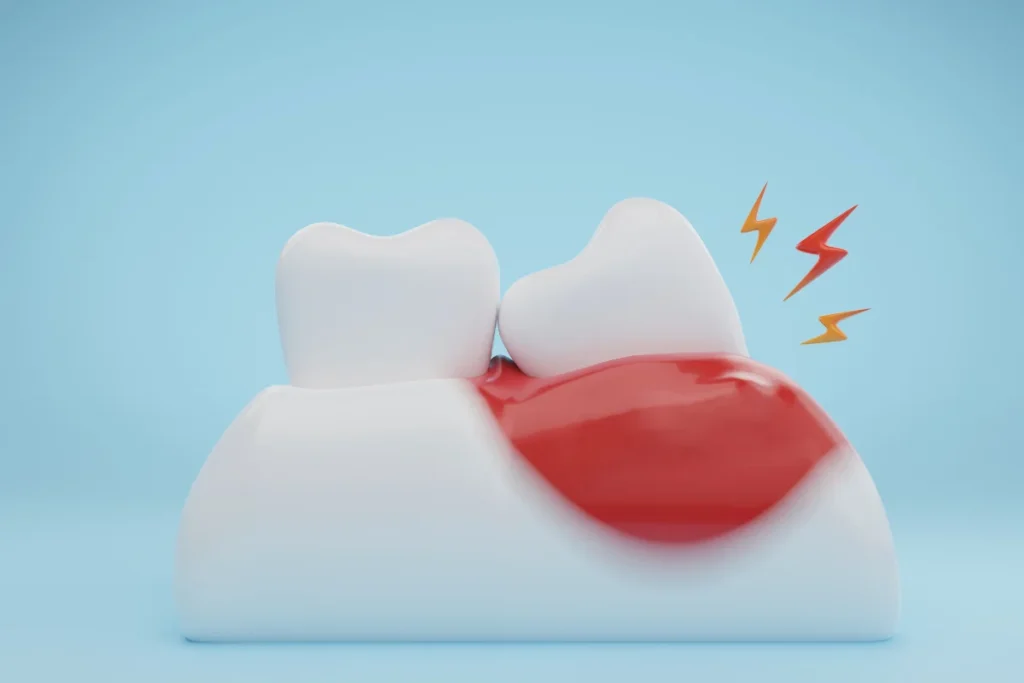
There is a possibility that the jaw does not have enough room for the wisdom teeth to develop in the correct manner. As a result, they can end up being confined beneath the gum line. This leads to pain and swelling.
· Overcrowding
Wisdom teeth can push against other teeth. This results in misalignment and the need for orthodontic treatment.
· Infection or Gum Disease
Partially erupted wisdom teeth can be harder to clean. So, the risk of gum disease and infection is increased.
Wisdom teeth are often extracted for these reasons. However, recent research suggests new, more beneficial uses for wisdom teeth. The therapy with stem cells and wisdom teeth issues can be joined.
A Brief Overview of Stem Cells
Stem cells demonstrate unique ability to develop into many different kinds of cells in the body – blood cells, muscle cells, nerve cells, and bone cells. These cells constitute the basis of tissue regeneration. Their ability to turn into specific cells makes them a powerful tool in restorative applications.
Medical research and treatments employ two main kinds of stem cells. Let’s learn their features.
Embryonic Stem Cells
The ability of these cells to convert into almost any other kind of cell in the body becomes significantly important. However, the usage of these things is restricted due to ethical considerations and restrictions.
Adult Stem Cells
These multipotent cells exist in different tissues of bone marrow and adipose tissue. Dental pulp can also become the source of these cells. They feature the ability to develop into specific cell types. And they are much more commonly applied in medical treatments.
Stem cells and wisdom teeth are connected because wisdom teeth contain a unique source of stem cells—dental pulp. This soft tissue inside the tooth contains blood vessels and stem cells. These stem cells and wisdom teeth can be harvested and employed for different medical applications. This makes wisdom teeth a valuable resource for regenerative medicine.
Stem Cells and Wisdom Teeth – Discovering the Connection
Researchers have investigated the potential of stem cells and wisdom teeth in recent years. They suggest their usage for regenerative dental treatments and beyond. Dental pulp from wisdom teeth has been identified as a rich source of mesenchymal stem cells (MSCs). These cells can become the cells in bone and muscle. This has led to exciting possibilities for using stem cells and wisdom teeth in a lot of medical and dental applications.
Regenerative Dentistry – Tissue Repair and Tooth Regeneration
This is one of the most powerful applications of wisdom teeth and stem cells. Traditional dental treatments are represented by fillings and crowns. They address the symptoms of dental problems. But they do not regenerate lost and damaged tissues. Promoting tissue repair and restoration with stem cells offers a possible solution.
Researchers investigate the application of stem cells from the dental pulp for renewal of tooth tissue and grow new teeth. The stem cells and wisdom teeth study has shown the capacity of the stem cells in dental pulp to rebuild pulp tissue and dentin. Even enamel can be restored. This opens the door for the possibility of growing new teeth to replace lost and damaged ones. The need for traditional dental implants can be eliminated.
Bone Regeneration
This possesses another exciting application of stem cells and wisdom teeth. The jawbone is often impacted when teeth are lost. And bone loss can also occur due to osteoporosis and after dental extractions. Stem cells and wisdom teeth could offer a way to recreate jawbone tissue. Bone volume can be restored, too.
Mesenchymal stem cells from dental pulp can turn into bone-forming cells – osteoblasts. This property makes them a potential tool for bone rebuilding. Stem cells and wisdom teeth could be applied to support the healing of bone defects. They can enhance bone healing after dental surgeries – tooth extractions and implant placements.
Stem Cells for Regenerating Nerve Tissue
Stem cells and wisdom teeth could also greatly change the method of nerve tissue renewal. The pulp of wisdom teeth contains neural stem cells. These cells can differentiate into nerve cells. This opens the possibility for stem cells and wisdom teeth to be employed in treating nerve damage. They can be utilized in cases where the nerves in the mouth and jaw are affected by injury or disease.
Using stem cells from wisdom teeth and stem cells from dental pulp makes it possible to restore damaged nerves. The functionality in the affected areas can be repaired. This results in improved sensation and healing.
Stem Cells and Wisdom Teeth – Discovering What to Expect
Wisdom teeth and stem cells represent a prospective new field in regenerative medicine. Harnessing the stem cells from dental pulp help researchers and healthcare providers to explore new ways to renew tissues and restore function. The treatment of a lot of different conditions – from dental issues to bone regeneration and nerve repair – will become possible in the future. The potential of stem cells and wisdom teeth in medical applications could greatly change not only dental care. But also, the broader field of regenerative medicine.
The capacity of stem cells to rebuild injured tissues and lessen inflammation constitutes only one of the many benefits of these cells. Stem cells and wisdom teeth have an opportunity to become an important instrument in the advancement of medical therapies and the reduction of the need for intrusive procedures. The enhancement of the natural healing processes within the body is opened by the progress of research. You should speak with a healthcare provider in the event you are contemplating stem cell therapy for dental or other medical concerns. This will allow you to have a better understanding of the beneficial outcomes of stem cells and wisdom teeth for you. The future of regenerative medicine will be nearer than we perceive it to be.