
Mesenchymal stem cells (MSCs) feature the capacity to change into different special types of cells. They are present in various tissues of the organism. Their adaptability has found a wide application in regenerative medicine and therapeutic uses. These cells have become a central point of interest within tissue repair and cellular therapy fields.
Let’s discover some issues. What are mesenchymal stem cells and what do mesenchymal stem cells do present actual questions.
Key Features of MSCs
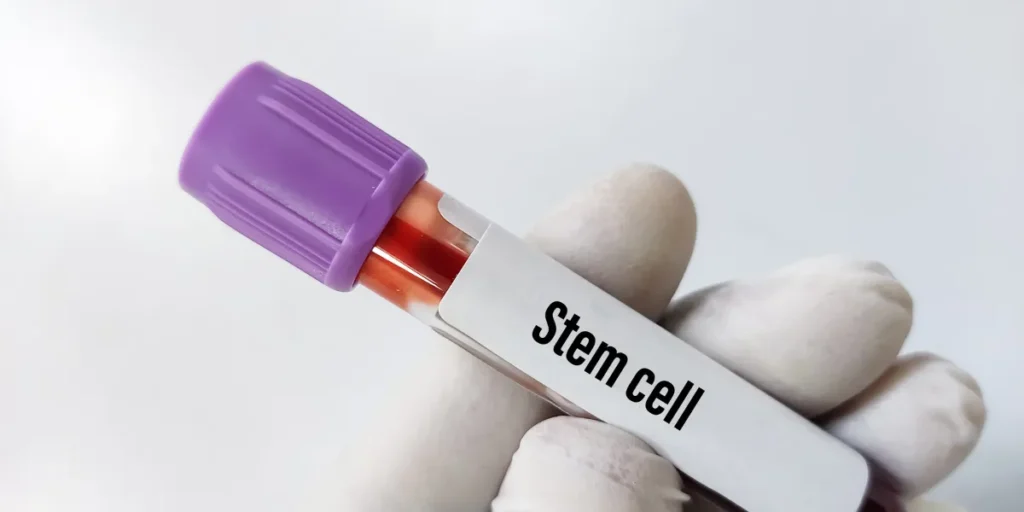
These cells work in different ways. They can develop into a variety of cell types. These cells also feature self-renewing properties. They are able to replicate and sustain their population within the organism. This regenerative capacity exhibits its therapeutic possibilities because MSCs can replace damaged or diseased tissues. They also facilitate healing. They advance the natural repair mechanisms of the organism.
Sources of MSCs
These MSCs are present in different tissues across the body with their special distinct features and benefits. People often worry about what is mesenchymal stem cells source.
Let’s explore where mesenchymal stem cells come from.
Bone Marrow
MSCs were identified in the bone marrow. This source continues to be one of the most extensively researched sources. These cells are commonly utilized in research and clinical environments. Their efficacy in repairing bone and cartilage is achieved by their inherent affinity for skeletal tissues. These cells are actively used in orthopedic treatments and cardiovascular therapy.
Fat Tissue
Fat tissue offers a rich supply of MSCs. This source is more readily accessible than bone marrow. MSCs from fat tissue tend to be more abundant. They can be collected through less invasive methods. Also, they exhibit a higher rate of proliferation. This property makes them beneficial for quick tissue repair. These MSCs are regularly utilized in skin treatments and wound healing processes. Cosmetic procedures also use these cells. MSCs from fat tissue are applied to treat musculoskeletal issues and orthopedic conditions.
The umbilical Cord and Placenta
These sources are usually discarded after childbirth. These tissues include a great quantity of MSCs. They present more primitive forms of these cells. They demonstrate significant capabilities to proliferate and modulate immune responses. Their youthful cellular characteristics can be effectively applied for therapeutic care. They have gained popularity in treating immune disorders and addressing some neurological conditions.

Dental Pulp
The soft tissue within teeth is obtained by the name of the dental pulp. It also serves as a source of MSCs. These cells feature their high proliferation rates and neurogenic capabilities. This makes them perfect candidates for use in neurological treatments. Their probable applications in the treatment of neurological illnesses and the development of oral tissues are now being studied.
Peripheral Blood
MSCs can be extracted from circulating peripheral blood. They are less plentiful in this location. How are mesenchymal stem cells obtained from this source? This method demonstrates the increased difficulty of isolating MSCs from peripheral blood. However, this non-invasive source offers cells for different regenerative purposes. Researchers investigate the use of these cells for cardiovascular and immune-related therapies.
Fluid and Membrane of Amniotic
These tissues surround the fetus during pregnancy. The stem cells from amniotic sources exhibit a strong capacity to transform into different types of cells. They exhibit great anti-inflammatory characteristics. Research explores their possible applications in wound healing and tissue engineering. The prospective use of these cells in the treatment of inflammatory diseases is examined.
Synovial Fluid
This source contains MSCs with a unique ability to naturally tend to form cartilage. This makes the cells from this source suitable for applications in the regeneration of cartilage. These MSCs effectively can be applied to address joint diseases.
Each of these sources provides distinct advantages. Researchers are consistently investigating the possibilities of the usage of MSCs from different origins for targeted therapeutic applications. Scientific progress can find new and improved sources of MSCs to advance the effectiveness and accessibility of regenerative medicine for a wider array of conditions.
How Do Mesenchymal Stem Cells Work: Acting Principles
In their function MSCs use different crucial mechanisms. This property makes them highly versatile. What is mesenchymal stem cells effect? They have become effective in tissue repair, regulation of the immune system, and regeneration. Let’s examine what do mesenchymal stem cells do.
Differentiation into Target Cells
MSCs can transform into different types of cells such as those found in bone, cartilage, muscle, and fat. After entering damaged tissue, MSCs receive specific signals from their surroundings. Growth factors and cytokines prompt them to acquire the properties of the necessary cell types for repairing this local area. This capability enables MSCs to replace injured or dying cells. It assists in regenerating bones and cartilage.
Secretion of Bioactive Molecules
MSCs release many bioactive substances. Cytokines, growth factors, and extracellular vesicles aid in tissue repair and healing. They use paracrine signaling to act on nearby cells. Their activities help advance cell survival and encourage new blood vessel formation. They also regulate immune responses. Extracellular vesicles and exosomes specifically deliver proteins and RNA to trigger local cellular repair mechanisms. Paracrine signaling promotes healing without needing to fully transform into the target cell type. This process improves intercellular communication. It supports the resilience of injured tissues and minimizes inflammatory processes. In such a manner, these molecules speed up native recovery processes within the organism.
Change in Reactions of Defense System
MSCs exhibit the ability to modulate immune responses. This property allows them to regulate and in some cases suppress overly active immune reactions. They interact with different immune cells. This helps to mitigate redundant immunity and inflammatory events. This regulation helps protect against tissue damage from durable inflammatory processes and autoimmune conditions. Unchecked immune activity can harm healthy tissues. So, this unique effect is successfully applied in managing inflammatory and autoimmune diseases.
Anti-Apoptotic Effects
Such properties help to shield cells in damaged tissues from undergoing programmed cell death. Releasing specific factors enables adjacent cells to withstand apoptosis. This assistance improves the survival rate of cells within compromised tissue. So, this effect increases the probability of successful repair. This mechanism actively participates in safeguarding cells against demise under high-stress conditions.
Promotion of New Blood Vessels
MSCs advance the process of angiogenesis. This action helps to deliver oxygen and useful substances to damaged tissues. Secreting pro-angiogenic factors stimulates adjacent endothelial cells to initiate the formation of new blood vessels. These newly developed vessels improve blood flow in areas with insufficient circulation. Tissue repair and regeneration are fostered. In situations of ischemic injuries, the development of new vascular networks can greatly boost healing processes.
Reduction of Inflammatory Events
Human mesenchymal stem cells can decrease inflammatory processes in the organism. This action promotes a more conducive setting for tissue repair. Secreting cytokines and engaging with immune cells helps to create a necessary response. Also, to reduce inflammatory reactions MSCs can attract regulatory T-cells. This suppression of inflammatory events prevents additional damage to injured tissues. This effect proves advantageous in managing long-term inflammatory diseases.
Homing to Sites of Injury
MSCs demonstrate the capability to migrate to sites of injury within the organism. In response to signals from damaged and inflamed tissues, MSCs express specific receptors to direct them to these areas. After reaching their destination, they release bioactive factors. There they initiate healing processes. This homing ability gives great advantages in systemic administration. The property of MSCs to journey throughout the organism and address multiple damaged areas helps to avoid precise injections at each target site.
Future Directions and Ongoing Research
The field of MSC research is swiftly growing, as numerous studies aim to boost their therapeutic potential and address challenges like scalability, immune compatibility, and controlled differentiation. Key areas of development include:
Bioengineering and Scaffold Integration
Researchers strive to combine MSCs with biomaterial scaffolds to develop functional tissue substitutes for patient implantation.
Gene Editing for Improved Function
Researchers are investigating techniques to boost the effectiveness of MSCs. They aim to advance their survival rate after transplantation and target specific disease markers.
The Perspectives of Mesenchymal Stem Cell Usage
MSCs provide promising opportunities for disease treatment, tissue repair, and advancing quality of life. Their ability to acquire the properties of different types of cells and release bioactive molecules makes them indispensable across diverse medical fields. Ongoing research continues to explore their possibilities and refine their uses. However, just now MSCs significantly impact the future of medicine. The use of these cells can unlock new pathways for healing that were once considered unattainable.