
One of the most advanced and promising therapies in the areas of hormone replacement and restorative treatments in the constantly changing field of medical science has become the use of stem cells for testosterone therapy. Low testosterone levels can have an impact on the quality of life, mental health, and physical health of many people. New hope is being offered by stem cells testosterone therapy. According to science, stem cells increase testosterone. This innovative treatment not only addresses symptoms. It cures the root causes of male hormone insufficiency. Let’s discover testosterone stem cells therapy and its prospects as a game-changing treatment.
Male Hormone: Exploring Importance
Testosterone is linked to the health of men and women. This hormone is manufactured in the male testes. It is also generated in small amounts by the female ovaries. It actively participates in many processes. This hormone provides a significant effect on mood and libido. Bone density, muscular mass, and cognitive ability react on its levels. The hormone amounts achieve peak values in their late teens to early twenties. However, hormone levels slowly begin to decline with aging.
Many people with low testosterone report different problems. Fatigue and sadness, erectile dysfunction and lowered libido, diminished muscle mass, and poor bone health manifest this condition. Hormone replacement treatment uses synthetic testosterone and hormone derivatives. But instead of treating the root reasons for testosterone loss, this approach only substitutes the hormone.
This is where testosterone therapy with stem cells could make a revolutionary difference.
Stem Cells: Discovering Operating Mechanism
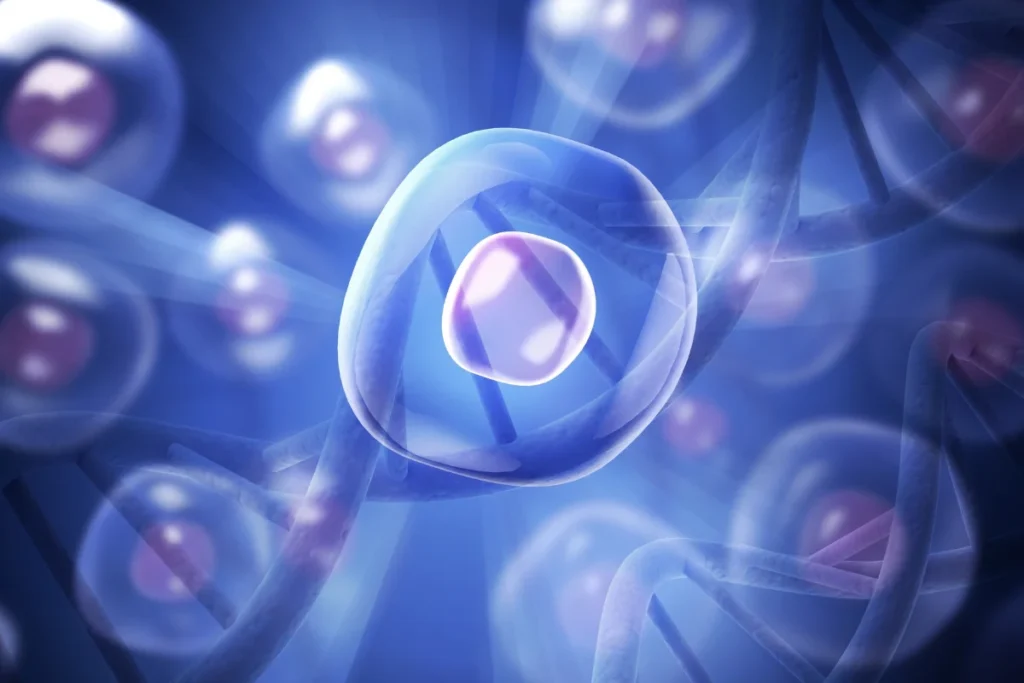
The ability of stem cells to turn into different bodily cells gives them special opportunities. They represent a main component of regenerative treatments because of their capacity to repair damage and rebuild tissues and organs. In medicinal applications, stem cells come in two main varieties. Any type of cell in the body can be differentiated from embryonic stem cells. Different tissues and organs include adult stem cells. Their capacity for differentiation is more constrained.
Scientists have concentrated on adult stem cells for testosterone stem cells treatment. The cells are obtained from the body of the organism and mesenchymal stem cells.
Stem Cells Increase Testosterone: Discovering Properties
The possibility to employ stem cells to boost testosterone appears due their capacity to facilitate renewal and heal damaged tissues. Leydig cells in the testes participate in creating male hormones. So, regenerating these cells can help to increase testosterone amounts. Age, trauma, and other illnesses can cause these cells to become inactive. As a result, this lowers male hormone formation.
Scientists hope to restore the native capacity of the body to make testosterone. They discover the possibility of replacing or regenerating damaged Leydig cells. For this purpose, they apply the stem cells testosterone therapy. Traditional testosterone replacement therapy only injects synthetic testosterone into the body and avoids the body’s natural processes. Innovative treatment is essentially different from this strategy.
Mechanisms Behind Testosterone Stem Cells Therapy
The use of testosterone stem cells involves the following steps.
Harvesting
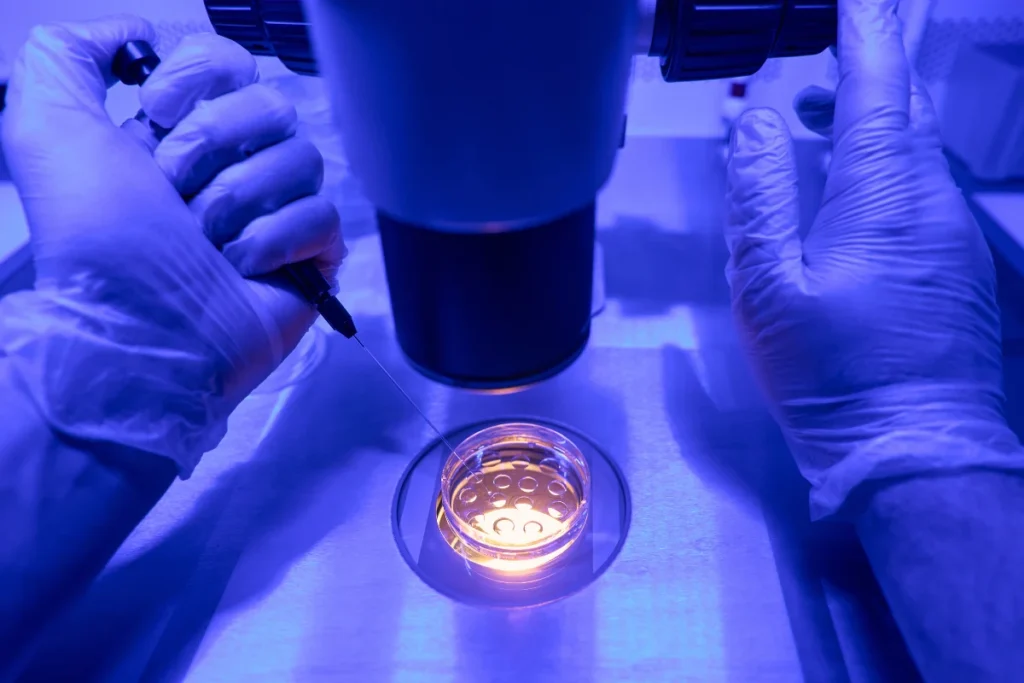
Gathering stem cells from the body of the patient presents the first stage. Minimally invasive techniques can be used for this. After processing, these stem cells are ready for injection.
Culturing
To promote their differentiation into Leydig-like cells, the extracted stem cells are cultivated in the lab sometimes given growth hormones or other treatments. This is the most important phase in making sure the stem cells can carry out the essential task of producing testosterone.
Reinjection into the Testes
Following preparation, the stem cells are injected straight into the testes. There they can start to proliferate and increase testosterone formation. The injured tissue is then repaired by the stem cells. These cells improve Leydig cell activity and raise male hormone amounts.
Recovery
Patients are closely observed following the surgery with the goal of assessing the treatment’s efficacy. The production of testosterone may progressively improve as the stem cells become incorporated into the tissue and start to operate.
Advantages of Stem Cells Testosterone Therapy
Restores Hormone Manufacturing in a Natural Way
Traditional testosterone replacement therapies artificially introduce testosterone into the body. Stem cells testosterone therapy features the ability to restore the natural production of the hormone by the organism. So, the body can regulate male hormone amounts on its own. This avoids the necessity of continued non-natural hormone use.
Minimally Invasive
Comparing stem cell collecting and reinjection to conventional surgical techniques, the former tend to be less intrusive. Patients can swiftly resume routine tasks because this lowers the chance of problems and speeds up recovery.
Long-Term Outcomes
Targeting the root cause of testosterone insufficiency with stem cells testosterone therapy provides long-term gains. The body regains its ability to form male hormones naturally. As a result, people may experience sustained improvements in energy levels and mood. Muscle mass and libido are increased without needing ongoing external hormone supplementation.
Personalized Treatment
Stem cells for testosterone therapy uses the cells of the patient. Such personalized treatment reduces the chance of immune rejection and other complications.
Medical Research
Now, stem cells testosterone therapy remains in the experimental stages. However, some promising medical trials and studies highlight its outstanding possibilities. Researchers are studying different methods to optimize stem cell treatments. Improving the efficiency of stem cell differentiation into testosterone-producing cells and enhancing the delivery techniques are explored now. Some research is dedicated to the safety of these treatments over the long term.
According to studies, stem cells increase testosterone production in animal models. Another promising test explored the use of bone marrow stem cells to regenerate Leydig cells in men with low male hormone levels.
More new investigations are conducted. Stem cells increase testosterone therapy will become more accepted. It can become a common treatment option for people suffering from low hormone levels.
Possible Threats
The promising advantages of testosterone stem cells therapy is discovering. However, people need to know about some dangers.
Regulatory Issues
The U.S. Food and Drug Administration (FDA) has not fully authorized stem cell therapies for general usage. These treatments have experimental status in many areas. So, before exploring stem cells testosterone therapy, people; need to carefully assess the legal and regulatory situation.
Cost
Because stem cell therapy frequently entails specialized procedures, lab culture, and a series of treatments, it can be costly. Costs are anticipated to drop, though, as the technology develops and becomes more widely used.
Long-Term Effects
The long-term effects of testosterone therapy based on stem cells are still mostly unclear, despite promising initial research. The possible drawbacks and advantages of these treatments will become more clear with continued research.
The Perspectives of Testosterone Stem Cells Therapy
With an opportunity to completely shift the way we treat male fertility problems and other hormone-related disorders, the future of stem cells for testosterone therapy is bright. We might witness developments that increase the efficacy of these medicines even more as research progresses. In the future, testosterone stem cell therapy may be used as a first-line treatment for low testosterone due to personalized therapies, better delivery systems, and a better knowledge of stem cell development.
Stem cells increase testosterone therapy may be a game-changing option for people looking for a more organic and regenerative method of hormone replacement, offering long-lasting enhancements in health, vigor, and well-being.
To sum up, the application of stem cells for generating hormones represents an innovative discovery that may change the practice of hormone therapy. This novel treatment may soon establish itself as a mainstay of regenerative healthcare, providing hope to millions of people who suffer from diminished testosterone levels by targeting the root reasons for testosterone loss and restoring native production. With more study and advancement, testosterone stem cell therapy possesses a very bright future.