
Now, stem cell therapy has become an innovative healing option in sports medicine. Athletes are always testing the boundaries of their physical abilities. So, the demanding nature of their activities often results in injuries. Conventional treatments are represented by physical therapy, medicines, and surgery. These therapies continue to be effective ways to address these issues. However, stem cell treatment for athletes provides a promising alternative. It offers quicker recovery and lasting healing benefits.
Let’s discover what is stem treatment for athletes. How can it change injury management? Can stem treatment for athletes impact their careers?
Some Details about Stem Cell Therapy
Human stem cells feature their capacity to modify into cells of muscles and bones. They also can acquire properties of the cells of cartilage and tendons. Their regenerative characteristics aid healing. They help alleviate inflammatory events in damaged tissues. For this therapy, these cells are collected from the bone marrow, fat tissue, and blood. Then they are injected into the injured area. In such a manner, these cells encourage repair.
Common Sports Injuries for Stem Cell Therapy
Sportsmen often are interested in “What is stem treatment for athletes?” This therapy has become popular for treating many sports-related injuries. Let’s explore its use for sports injuries.
Achilles tendinitis and rotator cuff tears can see improvement with stem cell injections. They aid in the regeneration of damaged tendon fibers.
Repetitive strain and acute injuries cause cartilage damage. Stem cells have great possibilities to repair this condition. Partial tears of ligaments can be addressed with stem cell treatment for athletes. This therapy promotes healing. It helps to eliminate the need for surgery.
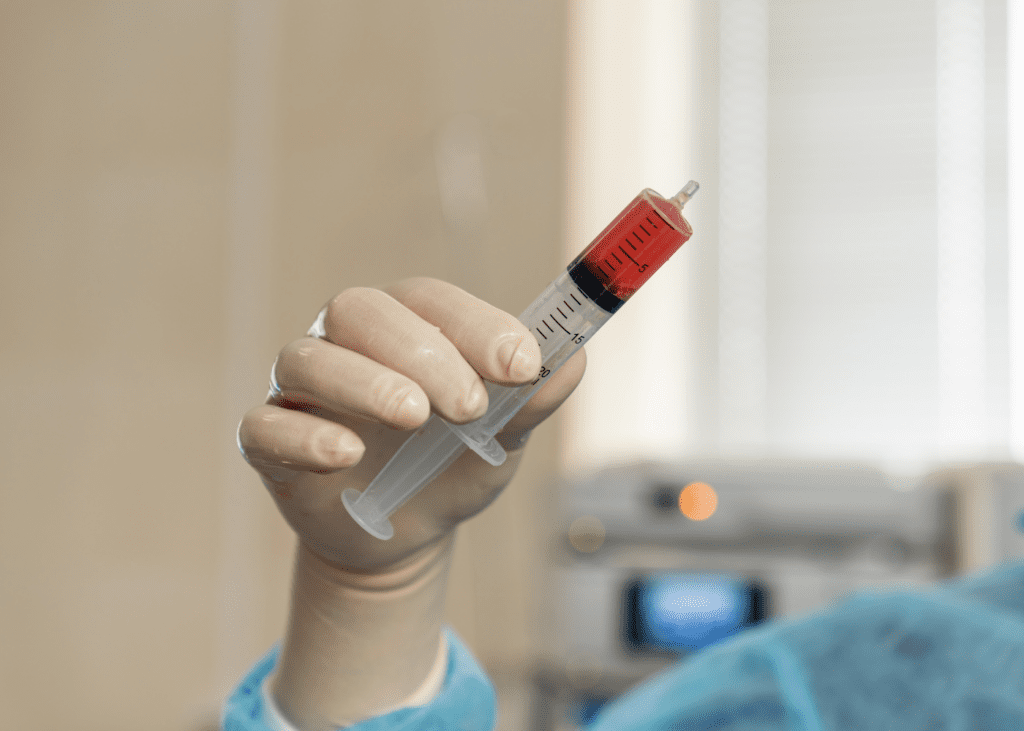
Stem treatment for athletes expedites the recovery of microtears and significant muscle injuries. This therapy enables athletes to resume training more quickly.
Advantages of Stem Treatment for Athletes
This therapy offers some unique benefits. They make it for sports injuries an attractive option for athletes.
Gentle Procedure
In stem cell therapy, minimally invasive techniques are used. Surgical incisions are not necessary with simple injections. Compared to typical surgery, this shortens the recovery period and lowers the chance of problems.
Accelerated Recovery
Stem cells possess regenerative properties. These cells speed up tissue repair and healing. This allows athletes to recover faster. They return to their training and competition sooner compared to conventional treatments.
Reduced Inflammatory Processes
Stem cells demonstrate the possibility to struggle with inflammatory events. This helps manage pain and swelling in the affected area. So, stem cell treatment improves comfort and mobility during the recovery process.
Natural Healing Process
Using the athlete’s stem cells with the therapy leverages the native healing mechanisms of the organism. This reduces the danger of adverse reactions and rejection. These events can occur with foreign substances and materials.
Possibility to Avoid Surgery
In some cases, stem cell transplant treatment for athletes can promote sufficient healing to delay. It can help to completely avoid the need for surgical intervention. This beneficial property arouses great interest among athletes because it minimizes downtime and long-term impact on their careers.
Enhanced Regeneration of the Tissues
Stem cells can change into specific cell types. In such a manner, they stimulate the repair of damaged tissues. This targeted regeneration helps to achieve more effective healing of the injured area.
Longevity in Sports
Addressing injuries more effectively and reducing long-term damage with stem cell therapy can help extend an athlete’s active career. It preserves their physical health and performance levels.
Customizable and Versatile
Stem cell therapy highly adapts to different cases. It can be tailored to treat ligament tears and tendon damage. Cartilage injuries and muscle strains are also successfully managed. This multifunctionality makes it a valuable tool in sports medicine.
Combining these advantages of stem cell therapy makes this treatment a popular variant in the management of sports injuries. This healing option helps athletes achieve faster and more reliable recovery outcomes.
The Procedure: What Athletes Can Expect
Stem cell treatment for athletes offers a simple process. It is aimed to enhance healing and aid recovery from sports-related injuries.
Let’s explore what athletes can anticipate during this procedure.
Initial Consultation
A sports medicine specialist will assess the nature and severity of the injury. They use physical examinations and imaging techniques. According to this assessment with the consideration of the general state of the health, the doctor will decide about the suitability of this treatment option. A customized plan will then be developed. This plan will outline the objectives and anticipated results of this therapy.
Obtaining Stem Cells
The treatment generally involves using the athlete’s own stem cells. They are collected from the pelvis or other large bones. Fat tissue can also become the source of these cells. The cells can be obtained from the blood. This harvesting process, conducted under local anesthesia for comfort, is completed swiftly.

Processing and Preparation
The collected cells undergo processing in a specialized laboratory. There they are concentrated and purified to boost their regenerative capabilities. In some instances, platelet-rich plasma (or PRP) is combined with stem cells. This mixing further enhances healing stimulation.
Injection into the Injury Site
The concentrated stem cells are injected directly into the injured area with precision. It is provided with the use of imaging guidance. This procedure is usually conducted under local anesthesia. So, the procedure remains painless and stress-free.
Recovery after Treatment
Athletes can typically go home the same day after their procedure. To aid in recovery and maximize treatment benefits, a rehabilitation program is often advised. Light activity may be permitted soon after the procedure; however, high-impact sports or intense training are generally restricted for several weeks.
Monitoring
Further appointments are arranged to track healing progress. They help to evaluate the therapy’s effectiveness. Many athletes report improved mobility, reduced discomfort, and quicker recovery in a span of weeks or months.
Stem treatment for athletes is known for its capacity to speed up recovery and boost performance. It has become an essential choice for athletes looking for advanced solutions to treat injuries.
Current Limitations
Stem cell treatment for athletes represents a promising advancement in sports medicine. However, it faces certain limitations that need to be addressed as the field evolves. Future innovations have a great deal of potential despite these obstacles.
High Cost of Treatment
Stem cell therapy can be costly. It can become inaccessible to many athletes. The procedure’s complexity and the need for specialized equipment raise the expenses.
Regulatory Restrictions
Stringent regulatory guidelines govern stem cell treatment. They differ greatly from one country to another. This can restrict their availability and the standardization of procedures.
Different Treatment Protocols
Various clinics can employ different techniques for obtaining and processing stem cells. This results in inconsistent outcomes. The absence of standardized protocols can impact reliability.
Not a Guaranteed Solution
The stem treatment can become for many athletes. However, this therapy does not guarantee success in every case. The extent of injury, patient health, and adherence to rehabilitation programs influence outcomes.
Risk of Overhype
The rising popularity of stem cell therapy has sometimes resulted in overstated claims. This misrepresentation can foster unrealistic expectations among athletes regarding their capabilities.
Future Potential
Technological advancements and greater adoption could lower costs, making stem cell treatment for athletes more affordable and accessible to athletes across all levels. Continuous research might result in standardized procedures for stem cell treatment, ensuring consistent and dependable outcomes.
Innovations such as bioengineered stem cells, exosome therapy, and combination treatments like pairing stem cells with growth factors have the potential to significantly enhance healing outcomes. Progress in genetics and precision medicine could enable customized treatments that optimize the use of stem cells for individual athletes by considering their distinct biological makeup and specific injury profiles.
In the future, stem treatment for athletes might extend its applications beyond just repairing injuries to include performance enhancement, preventive care, and addressing age-related degeneration. Integrating stem this treatment with novel rehabilitation technologies significantly optimizes recovery and athletic performance.
Additional studies in regenerative medicine are needed to confirm the effectiveness and safety of stem cell treatment for athletes. However, it can achieve widespread acceptance among sports organizations and governing bodies.
Stem cell treatment for athletes has become a wonderful development in sports injury treatment. This therapy offers sportsmen a quicker, less invasive, and more efficient route to recovery. As research advances and access increases, this innovative therapy could become an essential component of sports medicine, enabling athletes at every level to remain competitive and perform optimally.