
These days, depression remains one of the most common and harmful mental health conditions. Many people worldwide suffer from major depressive disorder. It manifests in different ways. People report persistent feelings of sadness and hopelessness. A lack of motivation occurs. Many people have found success managing their symptoms with the use of traditional remedies. But they frequently have drawbacks. Some people experience side effects. Others do not respond to conventional therapies. In these cases, people start to search for alternative solutions. Stem cell research for depression has advanced significantly in the recent past. Researchers are investigating the potential of stem cells to mend damage and heal the brain in cases of depression. Some of them investigate long-lasting relief from this condition. This area is still in the experimental stages. However, stem cell research for depression offers important prospects for people with this disease. Let’s explore the capacity of stem cell cure for depression and how it works. We’ll examine the advantages compared to existing therapies.
Depression – Discovering Its Challenges
This complex mental health disorder involves changes in brain chemistry and functionality. Depressed people often show an extensive set of symptoms. Sadness and a sense of emptiness are enduring. Activities seem to lose their appeal. Fatigue and low energy are reported by the sufferer. They feel difficulty concentrating and making decisions. Sleep disturbances and thoughts of death can happen.
A mix of psychological and genetic variables can lead to depression. It influences a person’s thoughts and feelings. It may result in severe functional deficits. A lot of treatments are available. However, not everyone reacts favorably to them. Interest in alternate approaches has increased as a result. So, stem cells for depressioncould offer more effective and lasting solutions.
Mesenchymal Stem Cell Therapy – Exploring the Properties
These unique cells can develop into neurons and heart cells. In medicine, stem cell therapy involves using these cells to replace and repair broken tissues. In the case of stem cell research for depression,scientists are exploring the possibility of the usage of the cells to rebuild neurons in areas of the brain being affected by the condition.
The hippocampus defines the work of the memory. This organ actively participates in emotional regulation. It has been found to shrink in people with depression. This shrinkage
impacts some of the symptoms of depression: difficulty concentrating and memory problems. Mood disturbances occur. Stem cells for depression may have the ability to facilitate the development of new brain cells. This helps to reverse this damage and restore normal brain functionality.
Stem Cells for Depression – Discovering the Science
Brain Repair
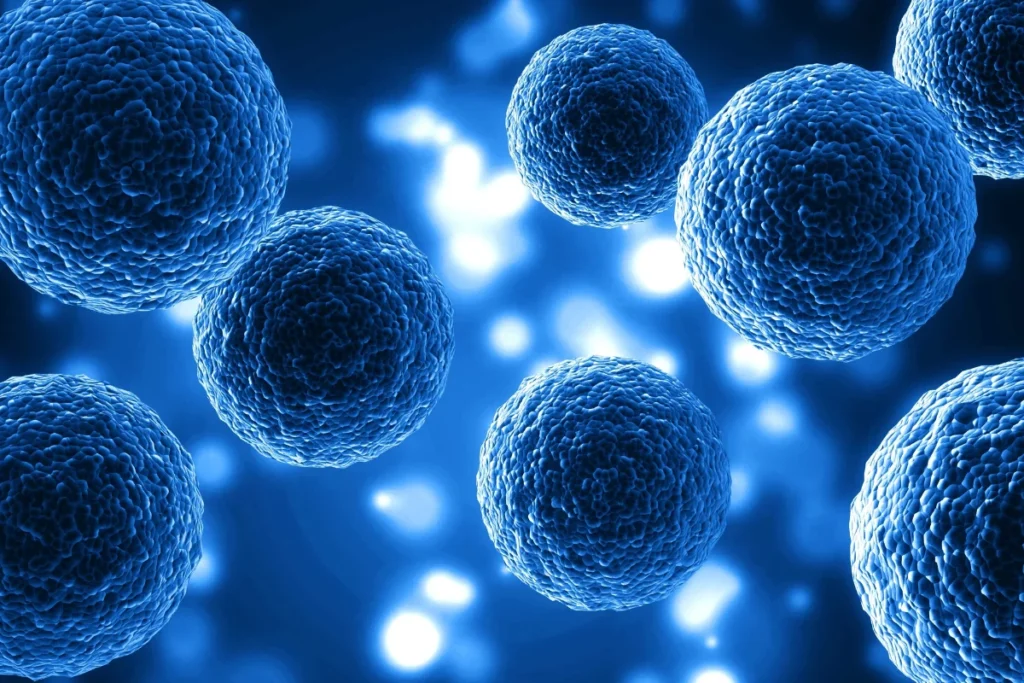
The potential of stem cells to activate neurogenesis shows one of the most significant aspects of stem cell research for depression. During the process, new neurons are created in the brain. According to investigations, depression features the loss of the brain’s ability to generate new neurons. This fosters the cognitive and emotional symptoms of the condition. Introducing stem cells into the brain seems useful for regenerating the damaged neurons. It also can be utilized to restore the brain’s organic healing process. These new neurons could help improve cognitive functionality and emotional regulation.
Restoring Chemical Imbalances
Depression causes chemical imbalances in the brain. The instability of serotonin and dopamine is observed. These substances significantly influence the regulation of the mood. These imbalances can contribute to the onset of depression. Stem cells for depression have the potential to restore these chemical imbalances. They generate neurons to produce the necessary substances and establish proper signaling pathways.
According to studies, stem cells might be able to create serotonin-producing neurons. These components could help alleviate the manifestations of depression. Addressing the structural and chemical aspects of the brain offers a more holistic approach to treating the disease.
Targeting Inflammatory Events
According to research, inflammation in the brain can impact the development and persistence of depression. Long-lasting inflammatory processes can disrupt brain functionality. They facilitate cognitive decline and emotional instability. According to studies, stem cells for depression may help lessen inflammatory events in the brain. They create a more favorable environment for healing and renewal.
Lowering inflammatory processes in the brain with stem cell treatment addresses one of the main causes of depression. This helps to achieve long-term outcomes.
Stem Cell Cure for Depression – Exploring the Gains
Stem cell research for depression is still in its early stages. However, there are some compelling reasons to apply this possible treatment for depression.
Capacity for Long-Term Relief
The possibility to achieve long-lasting results has become one of the key advantages of stem cell cure for depression. Traditional treatments can be effective but often require long-term use and come with side effects. Some people also develop a tolerance to these medications. This leads to diminishing effectiveness with time.
In contrast, a stem cell cure for depression may offer more sustainable results. Reforming brain tissue and managing the main causes of the illness with stem cells may realize long-lasting relief without the need for ongoing medication. This makes stem cell therapy a more permanent solution for people with continued depression.
Lowered Adverse Reactions
Traditional medications often come with weight gain and sexual dysfunction. Digestive problems can occur. People may find it difficult to continue taking their medications as a result of these side effects. Relapse and a worsening of symptoms may result from this.
Stem cells for depression use the body’s own components. So, the chance of side effects becomes much lower. The procedure itself may carry risks of infection and complications from the injection. However, these risks are generally less significant.
Targeted Treatment
Stem cell research for depression allows for a more targeted approach to treatment. Relying on medications affects the whole body. In contrast, stem cells are entered directly into the broken region of the brain. This localized treatment could become more effective in facilitating the healing and restoring of brain functionality.
Also, stem cell therapy can be customized to personal needs. Kind of depression and the area of the brain greatly impact the course. This approach increases the chances of success. This allows for more tailored interventions.
Simple Alternatives
Stem cell therapy for depression requires an injection of cells. However, this is a gentle procedure compared to other potential treatments. It does not require extensive surgery or the use of medications. So, possible harmful side effects are prevented. The procedure continues to advance. It will become more refined. In the future, it may provide an easy and convenient alternative to more traditional courses.
Stem Cell Research for Depression – Discovering the Limitations

Research on stem cells and depression has enormous prospects. Still, there are some issues to resolve. Research in this area is ongoing. Much of it is still in animal studies. Some are in small-scale human trials. More research is needed to indicate the long-lasting effectiveness of the treatment.
The cost of stem cell treatment for depression becomes anotherconsideration. Currently, stem cell therapies are often expensive. They may not be covered by insurance. The therapy must become more refined and widespread. In such a case, costs may decrease. But for now, access to stem cell treatments may be limited.
The Future of Stem Cell Cure for Depression – Exploring the Prospects
There are some challenges. However, the future of stem cell therapy for depression looks very attractive. We will see more breakthroughs in this field. We’ll learn more about the capacity of the use of stem cells in the treatment of mental illnesses. Scientists are always finding new methods to increase the efficacy of stem cell cure for depression in clinical studies. In the case of successful trials, stem cell therapy could become a revolutionary treatment option for people with depression. Stem cell research for depression represents an interesting path to healing for people to struggle with this condition. Activating brain repair and decreasing inflammatory events with stem cells for depression offer a new way to cure the root causes of the disorder.
Stem cell therapy for depression may develop into a feasible treatment option for people who have not responded to traditional medications when clinical trials and research progress. It might offer an innovative remedy for the millions of people who suffer from depression around the world as technology continues to advance.