
What Are Hormones?
Common Causes of Hormonal Imbalances
Various glands in the endocrine system make hormones, which are molecular messages. These chemicals are necessary for many bodily processes, like growth, metabolism, reproduction, and controlling mood. Target organs and tissues get these chemicals through the bloodstream, which is where they do their work.
What are the signs that you need hormone replacement therapy? Hormonal imbalances happen when enough or too little of a certain hormone, which comes from different places, happens. Common causes include problems with the endocrine glands (hypo- or hyperthyroidism), long-term worry, bad eating habits, inactivity, and underlying medical conditions like diabetes or polycystic ovarian syndrome (PCOS).
A person’s exposure to chemicals in plastics and herbicides that mess with hormones is another environmental factor that has a big effect on increased risk of hormonal imbalances. Understanding these factors is important for providing a correct answer to the question “what are the signs that you need hormone replacement therapy”, overall endocrine health and finding effective treatment choices.
Common Signs You Might Need HRT
Menopausal Symptoms in Women
How do I know if i need hormone replacement therapy? People over the age of 40 often use HRT to help them deal with the signs of menopause. When deciding if HRT is needed, signs like mood swings, dry genital areas, rapid heat waves, and excessive sweating at night might be employed.
For some women, these symptoms may be caused by their own estrogen levels and progesterone levels naturally dropping, which makes their general health much worse. It is important for doctors to fully look into these signs so they can effectively handle symptoms and give each patient individualized care.
Hot Flashes and Night Sweats
The main signs that most women have during menopause are hot flashes and night sweats. People whose quality of life is greatly affected by vasomotor symptoms like heavy sweating and sudden, extreme heat may need HRT. As a whole, HRT makes postmenopausal women healthier and happier, so doctors who work with women over 40 should know about these signs.
Mood Swings
Mood changes can be caused by changes in chemicals that happen during menopause. If a person is having sudden and severe mood changes, like feeling angry or sad, they may need hormone replacement therapy (HRT). Understanding the meaning of these emotional cues is important for giving complete care and managing menopausal symptoms well.

Andropause Symptoms in Men
While men are going through androgenopause, which is also known as “male menopause,” their health can get worse. Clinicians need to treat menopausal symptoms and think carefully about whether HRT is a good way to treat the problem since these symptoms are common in older men. To make life better and lessen the bad effects of lower androgen levels, it is important to get the right evaluation and treatment.
Low Testosterone
When a man goes through andropause, hypogonadism, or low testosterone, HRT might help, especially if you have low libido, tiredness, muscle loss, or mood problems like depression, anxiety, despair or rage. There is a better chance that patients will have a better quality of life if healthcare workers know these signs.
Decreased Libido
A loss of libido is a typical sign for women over 40 that they might benefit from HRT. This symptom is often caused by problems with hormones, like low amounts of estrogen and testosterone, which are needed for sexual desire and function, and relates to signs you need hormone replacement therapy. HRT could help women with this condition get their hormones back in balance and live better lives.
Fatigue and Depression
HRT is very important for middle-aged women whose hormones are changing a lot. How to know if you need hormone replacement therapy? As a sign that hormone replacement therapy is needed, depression and chronic fatigue are two typical signs. People who are fatigued feel completely worn out and have little energy. This makes it hard to do normal things and generally lowers the quality of life.
The same thing could happen with hormone imbalances and depression, which is marked by long-lasting sadness, helplessness, and lack of interest in things that you used to enjoy. For quick diagnosis and successful HRT therapy, it’s important to notice these symptoms early and talk to an expert.
Physical Symptoms of Hormonal Imbalances
Unexplained Weight Gain or Loss
Unexpected weight gain or decrease is one of the most reliable physical signs that your hormones are changing. The complex interplay between thyroid, cortisol, and insulin hormones causes these disparities. These molecules control the rate of metabolism and energy intake. Medical practitioners must check a patient’s hormones when they experience abrupt weight fluctuations.
Maintaining a healthy weight may be without enough estrogen is considerably more challenging for women who overproduce progesterone and estrogen. Comprehending these basic endocrine activities is crucial for an effective diagnosis and course of treatment.
Chronic Fatigue
Prolonged fatigue is one common outward sign of hormone problems. Most people with polycystic ovarian syndrome (PCOS), adrenal insufficiency, or hypothyroidism are impacted by this issue. “Do i need hormone replacement therapy?” – chronic fatigue can make it harder to do daily duties and lower a person’s quality of life if left untreated.

In order to identify and create treatment plans that will improve patient outcomes, doctors and endocrinologists must possess an extensive understanding of the underlying causes of endocrine system problems.
Muscle Weakness and Joint Pain
Physical signs you need hormone replacement therapy include painful joints and weak muscles. The body’s abnormal regulation of important hormones, including cortisol, estrogen, and testosterone, which support the function of muscles and joints, is often the source of these symptoms.
Given their major impact on an individual’s overall mobility and quality of life, doctors and hormone therapy specialists should take these symptoms into account while prescribing hormone therapy and planning therapies for their patients.
Emotional and Mental Health Symptoms
Anxiety and Depression
Depression and anxiety are two common emotional and mental diseases that can show up in many different ways, both mentally and physically. People who are anxious often feel worried all the time, can’t settle down, and have physical signs like sweating and a fast heart rate.
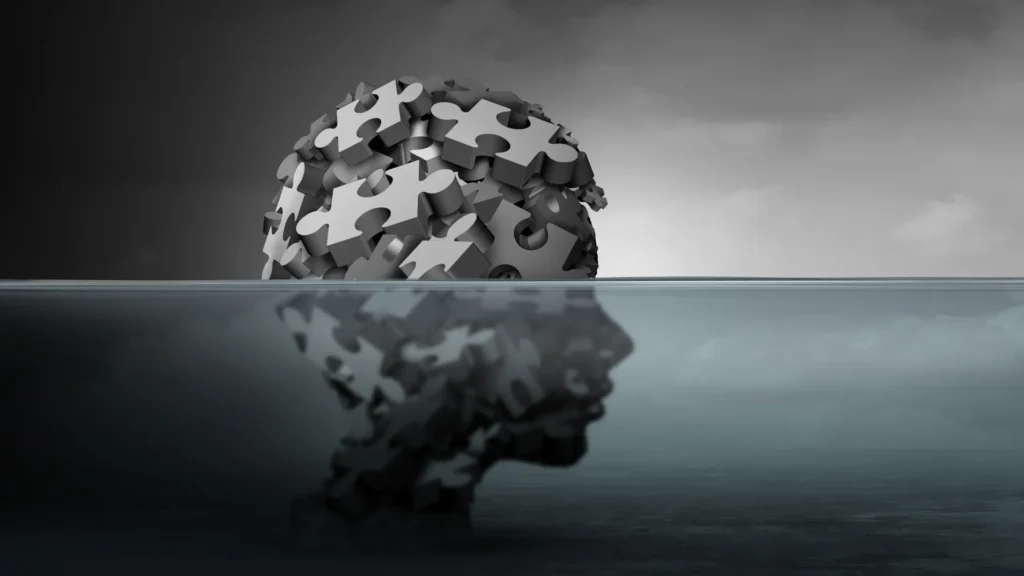
Alternatively, depression includes long-lasting depression episodes, losing interest or pleasure in activities, feeling tired, and changing how you sleep and eat.
Memory Problems and Difficulty Concentrating
Having trouble focusing and remembering is a common sign of emotional and mental health disorders. People with these kinds of brain problems may have a hard time going about their daily lives and enjoying life.
Skin and Hair Changes
Dry or Thinning Skin
One common dermatology issue that can really hurt a person’s quality of life is skin that is dry or thinning. These illnesses are often caused by getting older, changes in hormone levels, and being exposed to UV light and chemicals. Regular moisturizing can improve skin health and ease symptoms when used with certain treatments, which is good for patients.
Hair Loss or Excessive Hair Growth
Hair loss or hair growth that is too much can be one of the crucial signs you need hormone replacement therapy, also systemic or skin problems. Genetic factors or hormonal changes are often linked to androgenetic alopecia, which is a major cause of hair loss, especially in men.
Alternatively, hirsutism, which means that a woman’s hair grows too quickly, could be a sign of hyperandrogenism, which is often caused by PCOS or other hormonal problems. Dermatologists, endocrinologists, and general practitioners must diagnose and treat patients quickly and correctly for treatment to work and for their benefit.
Brittle Nails
In medical terms, brittle nails are onychoschizia, which means that the nail plate is splitting, softening, or thinning. This can be a sign of localized or systemic dermatological diseases. Such a thing often happens, and it might be because of being exposed to harmful chemicals for a long time or not getting enough iron, biotin, or zinc.
Clinicians should think about these things when diagnosing people with brittle nails because they might need to do more study into underlying medical conditions or suggest that the person make changes to their diet and other healthy lifestyle, to help manage their symptoms.
Digestive Issues
Bloating and Digestive Discomfort
Irregularities in hormones can have a big impact on gut health and lead to uncomfortable symptoms like gas and stomach pain. Abnormal changes in hormones like estrogen and progesterone can make the digestive system work less normally, especially during periods, of pregnancy, and menopause. For signs ranging from mild bloating to unbearable stomach pain, this disturbance may slow down or speed up digestion.
Changes in Appetite
As a sign or result of a number of gastrointestinal illnesses, changes in appetite can be a tricky part of digestive problems. Anxiety disorders, inflammatory bowel diseases, and gastroesophageal reflux diseases (GERD) have been linked to changes in hunger, according to studies. Changes in these areas are controlled by hormones like ghrelin and leptin, which are involved in the complex relationships between the digestive tract and CNS.
Frequent Constipation or Diarrhea
Having regular diarrhea or constipation is a gut problem that can really lower someone’s quality of life. Many foods, like what you eat, anxiety, and underlying health problems may make these illnesses worse.
Sleep Disturbances
Insomnia or Difficulty Sleeping
Sleep problems like insomnia or trouble getting asleep are often caused by problems with hormones. Studies have shown that changes in hormone levels, like those of cortisol, melatonin, and estrogen, can mess up circadian rhythms and make sleep less good.

So that they can correctly diagnose and treat sleep problems, medical professionals need to understand how hormones affect sleep habits. For those who are affected, specific treatment methods for these imbalances can make sleep and general health a lot better.
Night Sweats and Sleep Apnea
Sleep problems like night sweats and sleep apnea are often caused by hormonal changes. This is especially true for people going through menopause or having endocrine diseases. These illnesses mess up people’s circadian rhythms and sleep architecture, and they also make it much more likely that they will have long-term health problems.
Recent research has shown that hormone control is very important for keeping sleep homeostasis. Because of this, doctors and sleep experts should strongly consider hormonal tests when diagnosing and treating sleep issues.
Benefits of Hormone Replacement Therapy
Women and men who have problems with their hormones can greatly benefit from HRT. Hirsuti helps control many symptoms connected to endocrine disorders, menopause, and other hormone-related illnesses by slowly restoring hormone levels. Additionally, HRT raises bone health by lowering the risk of osteoporosis and improving skin elasticity and wetness.
Additionally, the fact that HRT can help with stomach issues and sleep problems shows how well it affects overall health. Healing these hormonal imbalances with hormone replacement therapy (HRT) is a flexible and life-changing therapy choice that not only eases symptoms right away to relieve symptoms, but also plays a key role in long-term health maintenance.