
Musculoskeletal injuries are among the most common health challenges adults face at every stage of life. Whether from a sudden impact, a sports accident, or years of repetitive strain at work, these injuries affect the bones, muscles, tendons, ligaments, and cartilage that make movement and daily function possible. Understanding what causes them, why they happen, and what treatment options exist is an important first step toward getting better.
What Are Musculoskeletal Injuries?
The musculoskeletal system includes bones, joints, muscles, tendons, ligaments, and cartilage. When any part of this system is damaged – whether by a sudden force or gradual wear – the result is a musculoskeletal injury.
Common examples include:
- Sprains – overstretching or tearing of ligaments that connect bones
- Strains – injury to muscles or tendons from overuse or sudden movement
- Tendinopathy – chronic tendon degeneration from repeated stress
- Stress fractures – small bone cracks from repetitive impact
- Cartilage damage – wear or injury to the cushioning tissue inside joints
- Rotator cuff tears – damage to tendons in the shoulder
- Contusions – muscle or bone bruising from direct impact
These injuries range widely in severity – from a mild ankle sprain that resolves in a week to a complete tendon rupture requiring surgery.
What Causes Musculoskeletal Injuries?
Understanding the causes helps explain why they are so widespread and why no age group or activity level is immune.
Acute trauma is the most recognizable cause. A fall, collision, or sudden awkward movement can tear ligaments, fracture bone, or rupture tendons in an instant. The pain is typically immediate and hard to ignore.
Repetitive overuse is subtler but just as damaging over time. When the same movement is performed repeatedly without adequate rest – whether in athletics, manual work, or office settings – stress accumulates in tissue faster than the body can repair it. Many workplace injuries develop this way.
Poor biomechanics and posture create uneven load on joints and soft tissue. Muscle imbalances, awkward movement patterns, and improper lifting technique place chronic stress on areas not designed to handle it.
Age-related tissue changes make the system more vulnerable. Tendons lose elasticity, cartilage thins, bone density decreases, and muscle mass declines with age – even without a specific injury event.
Inadequate recovery also plays a role. Insufficient sleep, poor protein intake, and nutrient deficiencies (particularly vitamin D and zinc) leave tissues in a persistently weakened state.
Common Signs and Symptoms
Symptoms vary depending on which tissue is affected and how severe the damage is. Common signs include:
- Pain – ranging from sharp and immediate to a deep, aching discomfort that builds over time
- Swelling and inflammation – the body’s natural response to tissue injury
- Stiffness – especially noticeable after periods of rest or in the morning
- Reduced range of motion – difficulty moving a joint through its normal arc
- Muscle weakness – loss of strength in the injured area or surrounding muscles
- Tenderness – sensitivity when pressure is applied to the affected region
- Bruising or discoloration – particularly after acute trauma
- Instability – a joint that feels loose or gives way under load
These symptoms may appear in any part of the body, though the lower back, knees, shoulders, hips, and ankles are most frequently affected.
Musculoskeletal Injuries Treatment: Conventional Approaches
The right treatment depends on the type of tissue involved, the severity of the damage, and how long the injury has been present.
Rest and activity modification allow acutely injured tissue to begin healing. This does not mean complete immobilization in most cases – gentle, guided movement often supports recovery better than strict rest.
Physical therapy and rehabilitation are among the most effective long-term treatments. Targeted strengthening, flexibility work, and movement retraining address the root causes of many injuries, not just the symptoms.
Anti-inflammatory medications (NSAIDs) help manage pain and swelling in the short term. They do not accelerate healing and carry risks with prolonged use.
Corticosteroid injections provide temporary inflammation relief in specific joints or soft tissue areas. Repeated injections may impair tissue healing over time and are typically used selectively.
Surgery is reserved for severe cases – complete ruptures, complex fractures, or significant structural damage – where conservative approaches have not been sufficient.
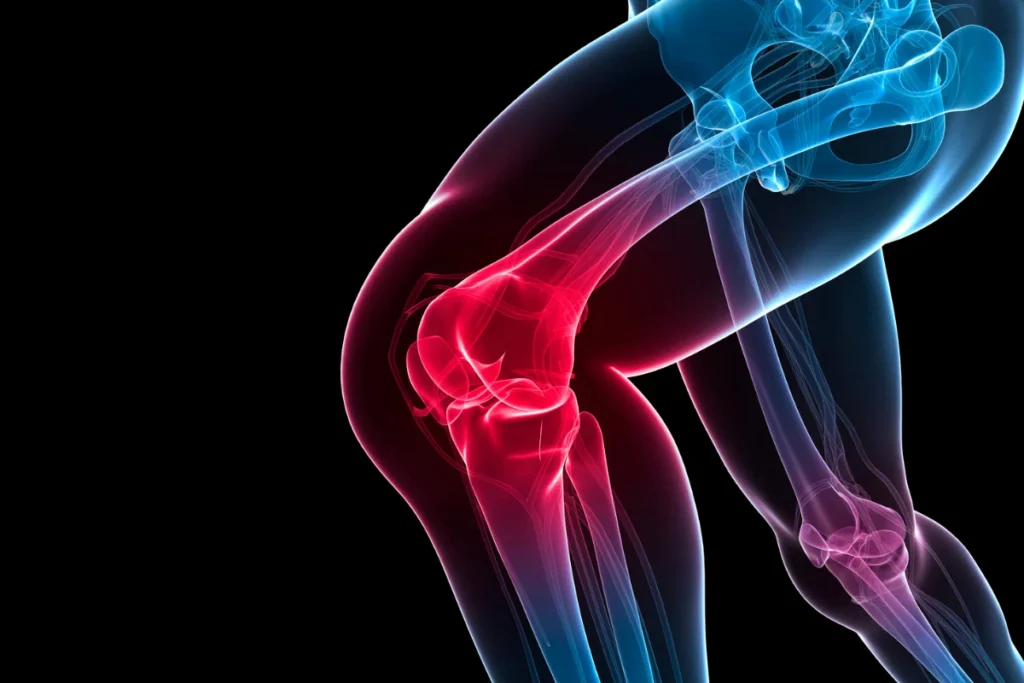
Regenerative Medicine: Where Stem Cell Therapy Fits In
For patients with persistent, slow-healing injuries – particularly tendon damage, cartilage degeneration, or ligament injuries – regenerative medicine offers an approach worth understanding alongside conventional care.
Stem cell therapy uses cells that may support tissue repair and help regulate inflammation. Mesenchymal stem cells (MSCs) are the type most studied for musculoskeletal conditions. Research suggests they may help modulate the inflammatory environment around damaged tissue and support conditions more favorable to healing.
MSCs can be sourced from bone marrow aspirate concentrate (BMAC), adipose (fat) tissue, or umbilical cord (HUC-MSC). Each source has slightly different characteristics, and the right approach depends on the clinical picture.
PRP (platelet-rich plasma) is another regenerative tool, using growth factors concentrated from the patient’s own blood to support tissue repair. It is often discussed alongside stem cell therapy and may be used as a complementary option.
Research in this area is ongoing. These therapies are not replacements for surgery when structural repair is needed, and outcomes vary by individual. But for patients where conventional treatment has not resolved a persistent injury, regenerative options represent a meaningful part of the conversation.
FAQ
Five common examples include: (1) ankle sprains from ligament overstretching, (2) rotator cuff tears in the shoulder, (3) Achilles tendinopathy from repetitive overuse, (4) knee cartilage damage from impact or degeneration, and (5) lumbar strain from improper lifting or prolonged poor posture.
Treatment is based on the specific tissue affected, the severity of damage, and how long the injury has been present. A thorough physical examination and appropriate imaging (X-ray, MRI, or ultrasound) help guide the decision between physical therapy, injections, regenerative medicine, or surgery.
Research suggests that stem cell therapy may support healing in certain musculoskeletal conditions, particularly tendon and cartilage issues. The approach is thought to help by reducing chronic inflammation and creating conditions more favorable to tissue repair. Results vary and should be discussed with a qualified clinician.
Recovery time varies widely. Minor soft tissue injuries may resolve in weeks with proper care. Tendon or cartilage injuries often take months. Chronic or degenerative conditions may require ongoing management. Early intervention and consistent rehabilitation generally lead to better outcomes.
Seek evaluation for any injury with significant swelling, deformity, inability to bear weight, or pain that does not improve after a week of self-care. Recurring pain in the same area or symptoms that interfere with daily life are also reasons to see a clinician.
Many can be reduced through regular strength training, flexibility work, proper movement mechanics, adequate sleep, and good nutrition. Ergonomic adjustments in the workplace and appropriate warm-up before physical activity also reduce injury risk significantly.
Key Takeaways
- Musculoskeletal injuries affect bones, muscles, tendons, ligaments, and cartilage and range from mild sprains to severe structural damage
- Common causes include acute trauma, repetitive overuse, poor biomechanics, and age-related tissue changes
- Signs and symptoms include pain, swelling, stiffness, weakness, and reduced range of motion
- Treatment ranges from physical therapy and anti-inflammatory medications to surgery in severe cases
- Regenerative approaches including stem cell therapy may offer additional support for persistent or hard-to-heal injuries
- Early evaluation and individualized care lead to better recovery outcomes
Conclusion
Musculoskeletal injuries are common, but they are not something to simply manage around. With the right evaluation and treatment plan – whether that means rehabilitation, regenerative medicine, or a combination of approaches – meaningful recovery is possible. Ways2Well offers a proactive, science-backed approach to musculoskeletal health, including stem cell therapy as part of our regenerative medicine services. If you are dealing with a persistent or recurring injury, schedule a consultation to explore what options may be right for you.
Sources
- Sports Injuries – NIAMS
- Musculoskeletal Pain – Cleveland Clinic
- PRP and Stem Cell Injections in Musculoskeletal Injuries – PMC/NIH
- Advances in Regenerative Rehabilitation for Musculoskeletal Injuries – PMC/NIH
Author: Ways2Well Editorial Team
Reviewed by: Scientific Advisory Board member