
In order to maximize athletic performance and maintain long-term health, sports physicians, athletic trainers, and professional players now depend heavily on blood testing to monitor physiological signs. Athletes’ internal states can be thoroughly assessed through blood analysis, which can reveal vital details about their metabolic state, dietary deficiencies, hormone imbalances, and inflammation markers.
Sports scientists may tailor training plans, dietary changes, and recovery techniques to meet the unique needs of every athlete by regularly analyzing these indicators. This helps to maximize performance and reduce injury risk.
Key Blood Tests for Athletes
Complete Blood Count (CBC)
A complete evaluation of a person’s hematologic state is provided by the complete blood count (CBC), which includes hematocrit, differential count of white blood cells, and hemoglobin content red blood cells. These traits are essential for the diagnosis of many blood disorders.

Iron and Ferritin Levels
Analyzing blood iron and ferritin levels simultaneously yields valuable insights into the body’s iron metabolism and storage, aiding in the diagnosis of conditions including hemochromatosis and iron deficiency anemia. Physicians and hematologists can identify patients with complex blood problems and monitor the efficacy of treatment by combining these measures.
The optimization of patient outcomes is achieved by enhanced clinical decision-making accuracy through the utilization of combined data from CBC and iron studies.
Vitamin and Mineral Levels (Vitamin D, B12, Magnesium)
Additionally, as routine blood tests evaluate biomarkers outside hematologic features, such as serum ferritin and vitamin D, they are essential for assessing overall health. Because serum ferritin is a type of iron storage, it is a trustworthy gauge of the body’s iron levels.
Iron deficiency anemia can seriously impair cognitive and physical capacities, thus it is imperative to diagnose the illness accurately and treat it effectively.
Furthermore, immune system performance and inflammatory modulation are two other functions of vitamin D, which is widely recognized for its role in calcium absorption and bone health maintenance. Low levels of vitamin D have been linked to osteoporosis and increased susceptibility to infections.
Hormone Panels (Testosterone, Cortisol)
Sports medicine has studied the effects of hormone panels — specifically, cortisol and testosterone — on athletic performance extensively. For athletes looking to achieve peak performance, testosterone — a critical anabolic hormone — is vital because it affects muscle synthesis, recovery, and overall physical fitness.
Conversely, a persistently elevated level of the hormone cortisol, which causes the body to break down cells in response to stress, can damage muscle tissue and impede recovery. An optimal ratio of increased testosterone to decreased cortisol is often associated with increased athletic ability, quicker recovery times, and reduced injury risk. This exact balance between these two hormones is crucial.
Blood work for athletes will provide information that coaches, and sports medicine specialists can use to customize training and recuperation schedules for the best possible performance results.
Inflammatory Markers (CRP, ESR)
Since C-reactive protein (CRP) and erythrocyte sedimentation rate (ESR) are important markers of inflammation, chronic inflammation is now widely acknowledged to have a major impact on athletic performance. Higher erythrocyte sedimentation rate (ESR) and C-reactive protein (CRP) levels in athletes have been associated with decreased stamina, longer recovery times, and reduced muscle function.
These markers serve two purposes: first, they indicate the presence of systemic inflammation; second, they provide crucial details regarding the underlying physiological stress and damage risk. Sports physicians can provide blood work for athletes to optimize performance and reduce the risk of overtraining and injury by monitoring CRP and ESR to modify training programs and minimize inflammation.
Targeted therapies, blood work for athletes and personalized medicine approaches may be used to improve athletic performance and resilience, according to more research into the manipulation of these characteristics.
Benefits of Blood Work for Athletes
Blood work for elite athletes offers critical information on vital parameters such as the complete blood count (CBC), metabolic profile, and hormonal balance, which together allow for a comprehensive assessment of a person’s physiological state.
This information is essential for athletes to diagnose deficiencies in essential nutrients like iron and vitamin D, identify overtraining signs like elevated cortisol levels, and maintain electrolyte balance for proper hydration. Additionally, by detecting specific needs and potential health risks, blood work for athletes helps to customize individual diet and activity plans.

As a result, routine blood work for athletes enables sports physicians and fitness instructors to implement treatments grounded on scientific evidence, enhancing athletes’ performance, lowering their risk of injury, and promoting their long-term well-being.
Early detection of deficiencies and imbalances
Clinicians can perform comprehensive blood tests, including electrolyte evaluations, to detect deficiencies in vital minerals like iron and vitamin D, diagnose hormone imbalances, and gauge general hydration levels.
This information is essential for detecting early indications of overtraining, mitigating injuries, and customizing individualized nutrition and training regimens to meet the specific requirements of each athlete.
Regular blood work for athletes therefore makes it possible for sports doctors and fitness instructors to apply research-backed methods that enhance athletic performance, hasten recovery, improve performance, and advance long-term health and well-being.
Optimizing performance and recovery
Understanding each athlete’s specific physiological needs is important for improving efficiency and recovery. Athletes need to get their blood tested regularly because it tells them a lot about their health and any problems that might be happening.
Biomarkers like hemoglobin, ferritin, and vitamin levels are carefully looked at by sports doctors and athletic coaches to find problems like anemone profiles, especially testosterone and cortisol levels, which can show whether a person is overtraining or not getting enough rest. Using these data points to detect anemia or nutritional deficiencies that could hamper performance and recovery.
Moreover, with personalized plans for an athlete’s nutrition and training, professionals can boost their health, strength, and endurance, eventually helping them do better and recover faster. Sportspeople who take this proactive approach will not only reach their full potential but these endurance athletes will also stay healthy and resilient over time.
Tailoring nutrition and supplementation
Athletes’ training regimens and nutritional approaches can be optimized by using the key information that blood testing gives, which is why it is so important for improving performance and recuperation.
By frequently monitoring vital indicators including hemoglobin, hematocrit, and serum ferritin levels, athletes and sports physicians can assess an individual’s iron storage and oxygen-carrying capacity, all of which are essential for endurance and peak performance. In addition, the evaluation of markers of inflammation and muscle injury, such as creatine kinase and C-reactive protein, enables the prompt identification of overtraining or potential injuries, allowing for prompt treatment and personalized recovery regimens.
Athletes can enhance their overall athletic performance and preserve normal physiological function by taking a proactive approach. This method lowers the risk of fatigue muscle pain and injury while enabling athletes to exercise at their peak on a regular basis.
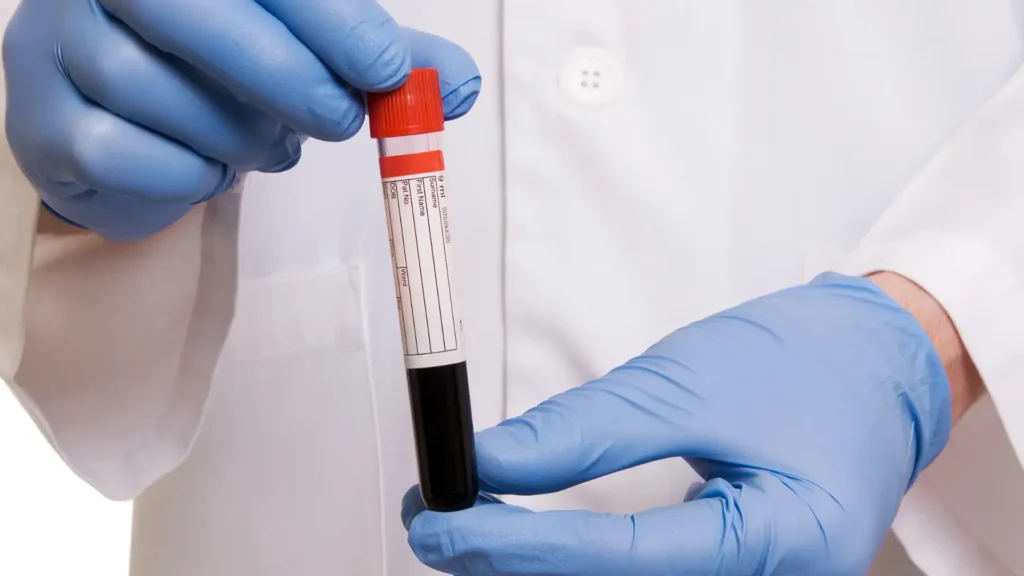
How to Schedule and Prepare for Blood Work
To ensure accurate and efficient results, it is imperative to consider numerous critical factors when planning and preparing for blood testing. Patients should consult with their physician before beginning any testing to determine the specific exams that are required as well as any adjustments that may need to be made to their medication regimen or fasting schedule.
This is important because certain tests may become less accurate if food or medication is consumed. Following their booking, patients are required to follow any pre-test guidelines that may be provided, including avoiding strenuous physical activity, drinking enough water, and fasting for eight to twelve hours if needed. It is advised to dress comfortably so that the veins, which are often found in the arm, may be easily accessed.
In addition to any relevant medical documents or insurance information, patients must bring a valid identification card to their consultation. To ease patients’ concerns and promote adherence, caregivers and medical staff must answer any questions or concerns they may have and enlighten patients about the preparation process. Acquiring accurate diagnostic data and facilitating the right medical interventions require careful planning and adherence to protocols.
Finding a specialized clinic
Findingmaking an effort a professional blood analysis lab is a crucial step in the process. It is advisable to choose a clinic or laboratory that meets your specific diagnostic needs because not all of them offer an extensive array of testing services. A specialist clinic provides speedier results, more individualized care, and sometimes even better precision.
Patients should do extensive research and carefully select a clinic that is both conveniently located near their home and well-known for its dependability. Making an informed choice can be facilitated by making the effort to study reviews, consult your doctor, and confirm the clinic’s certification.
Preparing for the test (fasting, hydration)
In addition to following pre-test instructions, it is imperative to properly prepare for fasting and hydration. You will ensure that the presence of food in your body does not affect the accuracy of the results if you fast, usually for 8–12 hours prior to the test. To stay properly hydrated during a fast, water consumption is essential.
Dehydration may make vein access more difficult and may affect the precision of some test results. Avoiding dangerous drinks like alcohol, coffee, or tea during this time is essential because they could dehydrate you and impact your test findings. Patients can contribute to ensuring the accuracy of the results of their blood work by closely following these guidelines.

Interpreting Blood Test Results
Discovering potential issues or confirming the efficacy of continuing therapies, these findings offer crucial information regarding an individual’s well-being. Common diagnostic procedures — liver function tests, kidney function tests, lipid profiles, and complete blood count (CBC) — provide unique perspectives on different body systems.
An evaluation of the hemoglobin levels and the quantity of red and white blood cells, for example, is known as a complete blood count (CBC), and it can reveal infections or the existence of anemia. But cholesterol levels — which are vital for assessing cardiovascular health — are examined in lipid profiles.
Knowledge of the conventional reference ranges is not enough to ensure accurate interpretation; one must additionally understand how factors like age, gender, and pre-existing medical disorders may affect these findings.
Healthcare professionals can improve patient care and health outcomes by using this sophisticated interpretation to help them make decisions about diagnosis, treatments, and preventive measures.
Conclusion
Finally, it is imperative that you fully prepare for blood work by choosing a specialized facility, understanding and following pre-test instructions, and staying hydrated on a regular basis. For accurate diagnostic data to be obtained, this is essential.
An equally important component is the ability to properly interpret these results, taking into account a variety of influencing factors, including age, gender, and prior medical conditions. All of the plan’s components ensure that blood tests produce accurate findings, enabling quick and effective medical interventions that can significantly improve health outcomes.