
If a doctor has mentioned apheresis in one conversation and plasmapheresis in another, it is natural to wonder whether these are two separate treatments or two names for the same thing. The short answer is that they are related but not identical. Apheresis is the broad category, and plasmapheresis is one specific procedure within it.
Understanding the apheresis vs plasmapheresis distinction helps patients follow their care plan, ask better questions, and recognize why a clinician might recommend one technique over another. This article explains what each term means, the main types of apheresis, how plasmapheresis fits into the family, and which conditions are commonly treated with each approach.
What Apheresis Means
Apheresis comes from a Greek word meaning “to take away.” In medicine, it describes any procedure in which blood is drawn from the body, passed through a machine that separates it into its components, and then returned after one specific part has been removed or collected. The separation usually relies on centrifugation, which spins blood so that heavier cells settle apart from lighter plasma, or on filtration through a special membrane.
A review in the Indian Journal of Anaesthesia describes apheresis as a group of techniques used either to collect blood components for donation or to remove harmful components from a patient’s circulation. That dual purpose matters. The same basic technology can serve a healthy donor giving platelets at a blood center and a patient receiving treatment for an autoimmune flare in a hospital.
Because apheresis targets one component at a time, the procedure is named after whatever is being removed. This naming convention is the key to understanding every term in the family, including plasmapheresis.
The Main Types of Apheresis
Each type of apheresis isolates a different part of the blood. The most common forms include the following:
- Plasmapheresis removes plasma, the liquid portion of blood that carries antibodies, proteins, and clotting factors.
- Plateletpheresis collects platelets, usually from donors, so they can be transfused to patients with low platelet counts.
- Leukapheresis removes white blood cells, which clinicians may use when white cell counts become dangerously high in certain leukemias.
- Erythrocytapheresis exchanges or removes red blood cells, a technique often used in sickle cell disease.
- LDL apheresis selectively filters low-density lipoprotein cholesterol from plasma in people with severe inherited lipid disorders.
- Immunoadsorption passes plasma through columns that bind specific antibodies before the plasma is returned.
- Peripheral blood stem cell collection gathers stem cells from circulating blood for use in transplantation.
Recommendations from the German Society for Transfusion Medicine and Immunohematology group these procedures into cell-based techniques, known as cytapheresis, and plasma-based techniques, which include plasma exchange, immunoadsorption, and lipid apheresis. Seeing the categories laid out this way makes it clear that plasmapheresis sits on the plasma side of a much larger map.
Where Plasmapheresis Fits In
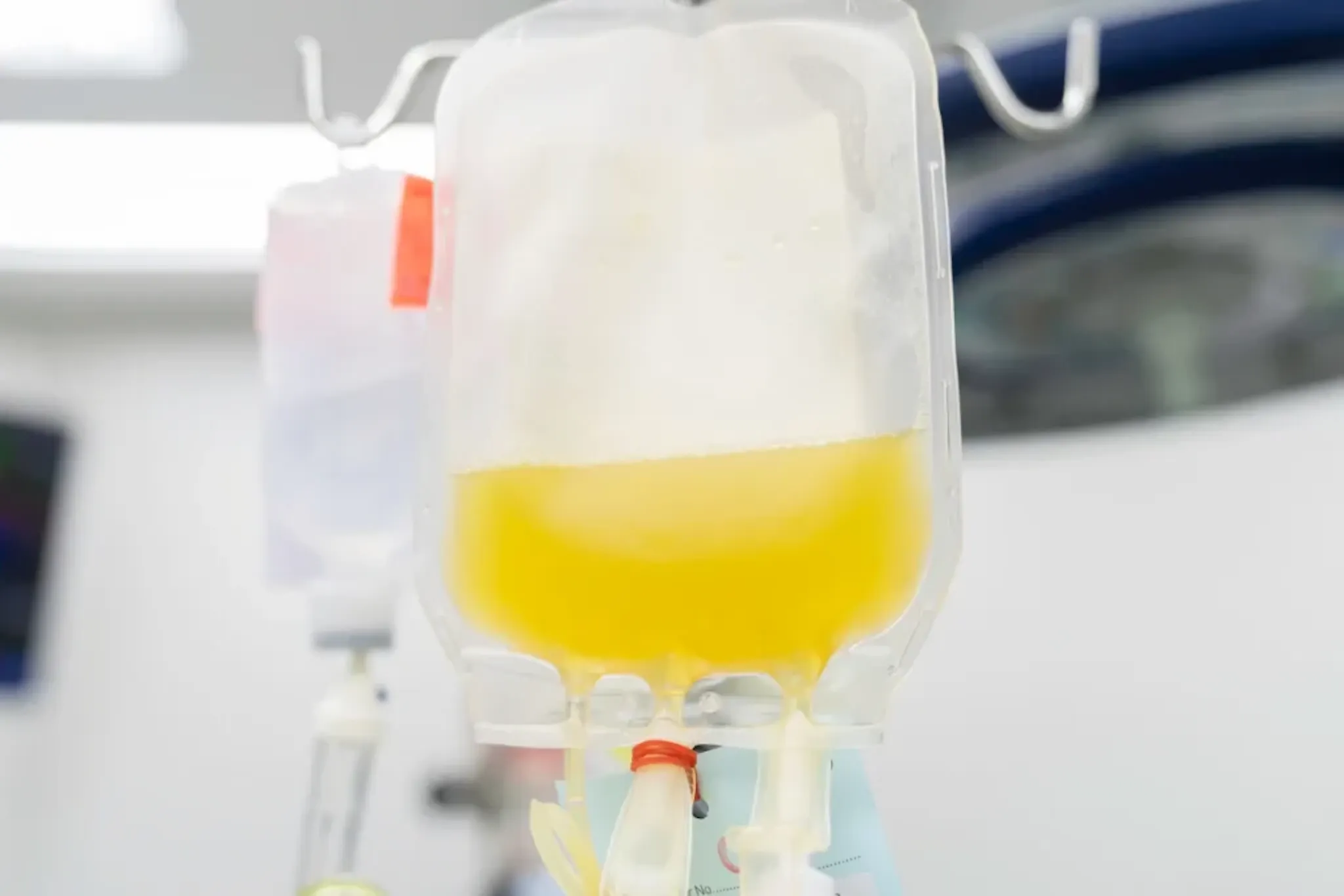
Plasmapheresis is the type of apheresis focused on plasma. During a session, blood is separated, the plasma is removed, and the cellular components are returned to the body. When the removed plasma is replaced with a fluid such as albumin or donor plasma, the procedure is called therapeutic plasma exchange, a closely related term that Ways2Well explains in detail in its guide to plasma exchange vs plasmapheresis.
The reason plasmapheresis is so widely used is that plasma carries many of the substances that drive disease. Autoantibodies, immune complexes, inflammatory proteins, and excess lipids all travel in plasma. Removing or filtering that fluid can lower their levels quickly, which is why plasmapheresis is often chosen when a condition is driven by something circulating in the blood rather than by the blood cells themselves.
For readers new to the procedure, Ways2Well’s complete beginner’s guide to plasmapheresis walks through what a session looks like from start to finish.
Apheresis vs Plasmapheresis: Key Differences
When comparing apheresis vs plasmapheresis, it helps to think of the relationship as category versus example. Every plasmapheresis procedure is a form of apheresis, but not every apheresis procedure involves plasma. Several practical differences follow from this.
Scope and Terminology
Apheresis is an umbrella term that covers any selective removal of a blood component. Plasmapheresis is narrower and always refers to the plasma portion. When a care team says a patient will “go to apheresis,” they are often naming the department or the machine, and the actual procedure may be plasmapheresis, leukapheresis, or another technique.
What Gets Removed
The main dividing line in the plasmapheresis vs apheresis comparison is the target component. Cell-based apheresis removes or collects platelets, white cells, red cells, or stem cells, while plasmapheresis leaves all of those cells in place and works only on the liquid fraction. This difference shapes which diseases each technique can address.
Purpose of the Procedure
Some forms of apheresis exist mainly for donation, such as plateletpheresis at a blood center. Plasmapheresis can be used for donation too, but in a clinical setting it is usually therapeutic, aimed at clearing harmful substances such as autoantibodies. The intent of the session, collection or treatment, changes how often it is scheduled and what replacement fluids are used.
Conditions Treated With Each Approach
The American Society for Apheresis Ninth Special Issue, published in the Journal of Clinical Apheresis in 2023, is the main reference clinicians use to decide when apheresis is appropriate. It reviews 91 diseases and conditions with 166 graded indications, assigning each a category based on the strength of available evidence.
Plasma-based procedures appear across many of those indications. Common examples include thrombotic thrombocytopenic purpura, Guillain-Barré syndrome, myasthenia gravis, and certain kidney and autoimmune disorders where circulating antibodies play a central role. Lipid apheresis is used for severe familial hypercholesterolemia, a topic covered in Ways2Well’s article on cholesterol and plasmapheresis.
Cell-based apheresis serves different needs. Red cell exchange is used in sickle cell disease, leukapheresis may be used for extremely high white cell counts, and stem cell collection supports transplant programs. In practice, the apheresis vs plasmapheresis decision is rarely a choice between two equal options. It depends on which blood component is driving the problem.
Safety and What to Expect
From the chair, most apheresis procedures feel alike. A needle or catheter draws blood into a separator, the device spins or filters out its target, and the rest flows back through a second line. Plasmapheresis visits commonly run one to three hours, and many people read, rest, or watch something while the circuit does its work.
The reactions people report usually trace back to two things: shifts in blood volume and the citrate added to stop clotting inside the tubing. Citrate can briefly lower calcium, which shows up as a tingly feeling around the mouth or fingertips, and some patients feel tired or slightly dizzy afterward. Before scheduling anything, the clinical team checks veins, medications, and medical history, because those details decide whether a given procedure is a sensible fit.
Frequently Asked Questions
Is plasmapheresis the same as apheresis?
Not exactly. Plasmapheresis sits inside the larger apheresis family, so every plasmapheresis session is apheresis, but many apheresis sessions never touch plasma at all.
What is the main difference in apheresis vs plasmapheresis?
It comes down to breadth. One word names a whole category of blood-separation procedures, and the other names a single member of that category aimed at the fluid part of blood.
What are the other types of apheresis besides plasmapheresis?
The list includes platelet collection, white cell removal, red cell exchange, LDL lipid removal, antibody-binding columns, and stem cell harvesting for transplant. The prefix in each name tells you which component the machine is after.
Why would a doctor choose plasmapheresis over another type of apheresis?
The deciding question is where the troublemaker lives. Antibodies, immune complexes, and some lipids circulate in plasma, so plasmapheresis makes sense, while disorders driven by abnormal cells call for a cell-targeting method.
How long does a plasmapheresis session take?
Plan for roughly one to three hours in the chair, with larger plasma volumes taking longer. The number of visits depends on the goal of the plan.
Is plasmapheresis vs apheresis a question of safety?
Rarely. The equipment and monitoring are similar across procedures, so the decision rests on the medical goal rather than on one option being inherently riskier.
Key Takeaways
- Apheresis names the whole group of procedures that pull one component out of circulating blood.
- Plasmapheresis narrows the focus to the liquid fraction and sends the cells back.
- Sister procedures go after platelets, white cells, red cells, lipids, antibodies, or stem cells.
- Matching the procedure to the component causing the problem is what drives the choice.
- Graded ASFA indications give clinicians a shared, evidence-based starting point.
Schedule a Consultation
Sorting out the vocabulary is helpful, yet what matters most is whether a blood-based therapy suits your labs, history, and goals. Ways2Well approaches that question proactively, starting with diagnostics before any session is booked, and its plasmapheresis program is shaped around each patient by the clinical team.
Schedule a consultation to review your results and ask what a course of plasmapheresis would look like for you.


Sources
- Role of therapeutic apheresis and phlebotomy techniques in anaesthesia and critical care (Indian Journal of Anaesthesia, 2014)
- Recommendations for Therapeutic Apheresis by the Section “Preparative and Therapeutic Hemapheresis” of the German Society for Transfusion Medicine and Immunohematology (Transfusion Medicine and Hemotherapy, 2019)
- Guidelines on the Use of Therapeutic Apheresis in Clinical Practice: The Ninth Special Issue of the American Society for Apheresis (Journal of Clinical Apheresis, 2023)
Author: Ways2Well Editorial Team
Reviewed by: Scientific Advisory Board member