
Introduction to Shoulder Injuries
In orthopedic medicine, stem cells for a shoulder injury may represent a new frontier, particularly for athletes and those with chronically worsening injuries. With its ability to differentiate into a wide variety of cell types, including osteoblasts, chondrocytes, and myocytes, mesenchymal stem cells (MSCs) are employed in this novel treatment to promote the healing of injured organs.
From the patient’s fat or bone marrow, MSCs are extracted and subsequently cultured in a laboratory. These concentrated cells reduce inflammation and strengthen the immune system, which aids in the body’s healing process after being injected directly into the wounded shoulder region. They aid in tissue healing and regeneration as well.
To make this innovative therapeutic approach even more effective and valuable as a therapy, researchers and professionals in medicine are still investigating. The cell source, delivery techniques, and post-treatment protocols are all being improved in order to achieve this.
Common Types of Shoulder Injuries
Everyone who does high-intensity activities, including orthopedic patients, players, sports fans, and others, is at risk for shoulder injuries. Injury risks are higher for the shoulder because it has a unique ball-and-socket joint structure and a large range of motion. These risks include labral tears, rotator cuff tears, and shoulder impingement syndrome.

Rupture of the rotator cuff happens when the muscles and tendons that hold the shoulder joint together get hurt. These problems usually happen because of recent stress or long-term abuse. Torn or inflamed cartilage lining the shoulder socket can happen after dislocations or when the same shoulder moves over and over again.
Impingement syndrome happens when the rotator cuff muscles get squished when the shoulder moves. This causes pain and irritation.
Traditional Treatment Approaches
The shoulder joint’s complicated structure and wide range of motion make it easy for athletes to get hurt. Sometimes people hurt their shoulders by dislocating them, tearing the rotator cuff, or getting impingement syndrome. Rest, physical therapy, and, in the worst cases, surgery are the normal ways to treat these injuries.
Through focused exercises and manual treatment methods, physical therapy aims to improve the range of motion, strength, and function. However, rest and immobilization are often enough to help with the initial stages of recovery, especially in cases of serious injuries.
People consider surgery choices like arthroscopic repair when non-surgical methods fail to relieve symptoms or restore functional ability. Medical professionals must use evidence-based care that is tailored to each patient’s specific needs. Athletes must understand these treatment methods to ensure a quick recovery and return to competition.
Exploring the Science Behind Stem Cells
Stem Cells: Definition and Function
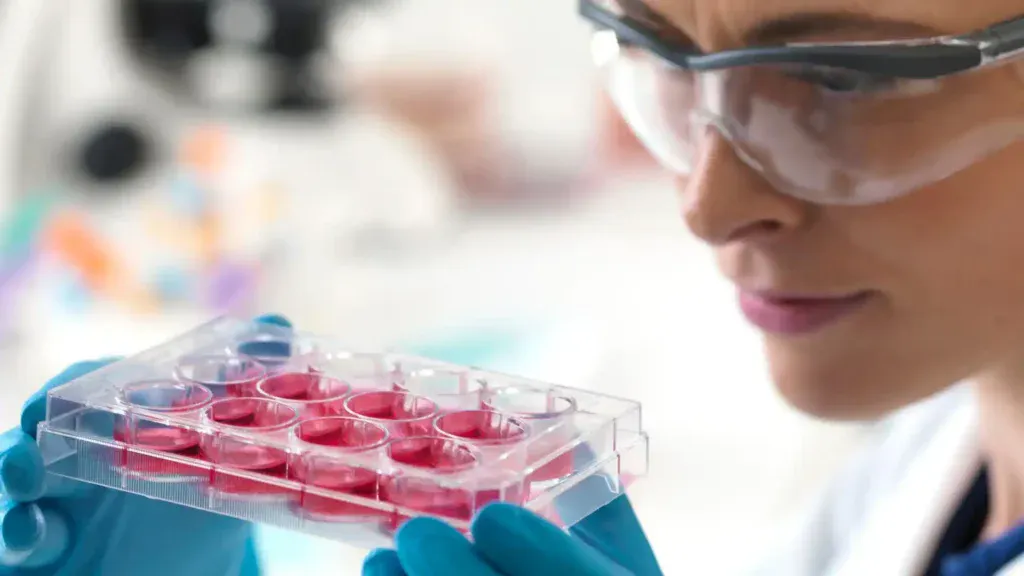
Undifferentiated stem cells are unique cells that have the amazing ability to change into many different types of specialized cells inside the body. There are stem cells in both adult and fetal species, and they are very important for healing, growing, and developing tissues. They have two main qualities: the ability to divide and make daughter cells that are exactly the same as them; they can also change into other types of cells.
Multipurpose cells are split into totipotent, pluripotent, multipotent, and unipotent stem cells based on their ability to differentiate. From early embryos come embryonic stem cells, which are undifferentiated, meaning they can change into almost any type of cell in the body. Unlike hematopoietic stem cells in bone marrow, adult stem cells can only make cells that are special to the tissue they came from.
For therapeutic and regenerative medicine uses, stem cells’ functional qualities are very promising. Vascular diseases, neurological diseases, diabetes, and more have all been studied in great detail in order to find stem cell-based treatments that work. That’s because stem cells can repair cells that are sick or damaged.
Additionally, stem cells are very important for trying medicines for safety and finding new ones. They provide a very useful way to understand how diseases work and check out possible treatments. Moral problems and technical issues like immune rejection and controlled differentiation are still big problems, even with this progress.
Ongoing study aims to enhance stem cell technologies and ensure their safety and usefulness in medical settings. So, studying stem cells for shoulder repairs is still a relatively uncharted area of medicine, but it holds a lot of promise for future therapeutic improvements.
Varieties of Stem Cells Applied in Shoulder Repair
A lot of different kinds of stem cells can help heal and grow new shoulder muscles thanks to progress in regenerative medicine. MSCs, iPSCs, and ESCs are showing the most promise because of the unique properties they possess. This makes them very useful for repairing cartilage and tendons. Muscle, fat, and blood from the fetal cord are all used to make MSCs.
To reduce swelling and speed up the mending process, their immune-suppressing effects are also very important. Because they are made from adult somatic cells that have been reprogrammed, iPSCs offer a patient-specific approach that might take away problems caused by immune rejection. They haven’t been used in clinical settings yet because of safety worries about genetic instability and the risk of cancer, but they have shown great skill in differentiating into different cell types, which is necessary for shoulder repair.
ESCs, on the other hand, come from the inner cell mass of blastocysts and are able to differentiate into almost any type of cell, including those needed for repairing muscles and bones. Their use in shoulder rehabilitation has been mostly experimental because they could cause teratomas and there are moral issues.
That being said, studies in non-human models have shown that they can heal damaged cells and bring back function. These stem cell types are being used more and more in shoulder repair because biomaterial structures and bioengineering techniques are getting better at helping cells survive, grow, and integrate into host tissues. Researchers are still working to find the best ways to make these drugs work better and safer over time. Eventually, they hope to be able to use them in humans.
Mechanism of Stem Cell Therapy in Shoulder Injuries
How Stem Cells Aid in Tissue Regeneration
Stem cells for shoulder injury is a possible useful treatment, especially for osteoarthritis and rotator cuff tears. Mesenchymal stem cells (MSCs) are the most common type of stem cells used in orthopedics. For faster mending and regeneration, MSCs are sent to the injury site and change into the right tissue type (chondrocyte, tenocyte, or osteoblast). Furthermore, MSCs send out a paracrine signaling pathway that is full of exosomes, growth factors, and cytokines. By boosting cell migration and proliferation and controlling the local inflammatory reaction, these substances improve the health and function of tissues.
Stem cells for shoulder injury help with differentiation and paracrine signaling, and they also help recover shoulder tissues by working with the immune system of the patient. Immunosuppressive effects of MSCs lower chronic inflammation and stop more tissue breakdown by affecting T-cell growth and encouraging the development of regulatory T-cells. For better healing, this immune-modulatory trait lowers the risk of graft-versus-host disease and autoimmune diseases.
Patients with shoulder injuries who received stem cells for shoulder repairs had better outcomes, including less pain, a wider range of motion, and faster healing times, in preclinical studies and early-phase clinical trials. Using these early findings to create standardized, effective treatments for orthopedic patients would require further research into the best stem cell sources, transport methods, and additional medicines.
Biological Processes Involved in Healing
With stem cells for shoulder injury therapy, which uses the body’s natural ability to heal and grow back, shoulder injuries can now be treated effectively. What this treatment does biologically is rely on stem cells changing into osteocytes, chondrocytes, and tenocytes, which are important for healing the musculoskeletal system.
When injected, the undifferentiated cells go to the area that was damaged and are affected by the local microenvironment and signaling molecules like growth factors and cytokines. Surface expression of certain adhesion molecules and receptors on stem cells makes homing easier, which is a step needed for focused repair. Following being targeted, the stem cells divide and become different types of cells. This helps the muscle grow back and the shoulder return to normal function.
Stem cells release paracrine substances that help angiogenesis, which increases blood flow to damaged areas and speeds up the healing process. With these combined efforts, stem cell therapy is shown to have many useful effects in treating shoulder injuries, offering a complete plan for functional recovery and tissue regeneration.
Benefits and Risks of Stem Cell Therapy
Advantages Over Traditional Treatments
Stem cells for the shoulder is a revolutionary way to treat injuries because it has many advantages over traditional methods. In contrast to traditional methods like physical therapy or surgery alone, stem cell treatment uses the regenerative properties of stem cells to help cells fix and grow from within damaged tissue.
Patients may be able to work better, heal faster, and feel less pain with this method. Full healing can happen because stem cells can change into different types of cells, like those found in muscles, tendons, and cartilage. Stem cells for shoulder injury treatment also lower the risks of being immobile for a long time and getting an infection compared to surgery.
Conclusion and Future Directions in Stem Cell Therapy for Shoulder Injury
In conclusion, using stem cells for shoulder repair is a revolutionary new way to do things that help tissues grow back and heal. This method of therapy targets the injury at the cellular level to help the person heal completely.

It has many benefits over traditional treatments because it uses stem cells’ natural ability to grow new cells. Its therapeutic potential is further enhanced by the fact that it lowers inflammation and boosts angiogenesis, both of which lead to faster healing and better functional results.
In orthopedic and sports medicine, stem cells for the shoulder could change the way people with injuries are treated as regenerative medicine improves and study into stem cell sources and delivery systems get better.