
Joint instability makes it harder to move with confidence. It can cause frequent injuries and discomfort. It can also lower your performance. In many cases, it raises the risk of dislocations.
Regenerative medicine offers a targeted approach to recovery at Ways2Well. Stem cell therapy for joint instability concentrates on repairing damaged tissues and improving strength. Restoring joint stability without surgery is achieved.
What is Joint Instability?
People often ask this question. It occurs when a joint moves beyond its normal range in a way that is not controlled. This may be due to weak muscles and stretched ligaments. Damaged cartilage also causes this condition.
The condition can affect any joint in the body. It can be shoulders and knees, ankles, and hips. Some cases develop after a single injury. Others result from repeated stress and overuse over time.
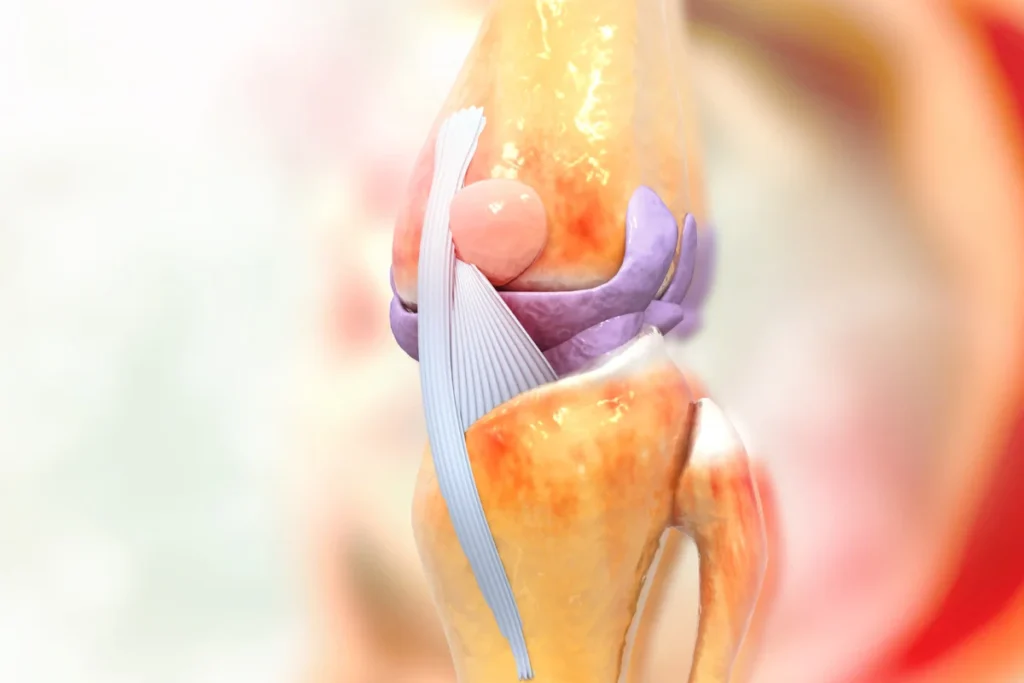
Joint Instability Symptoms
You are advised to notice these indicators early. So, you can stop more damage from happening. The problem usually becomes worse over time. However, symptoms can worsen with activity and repeated injuries.
A Feeling of Looseness
The joint is slipping and moving out of place. This sensation represents one of the most common joint instability symptoms. This feeling can occur during exercise and sports. It can appear even in routine movements.
Recurrent Dislocations and Subluxations
Instability can cause the joint to dislocate. It can be partial and complete. Repeated dislocations weaken surrounding tissues. This makes the joint more prone to future injuries.
Pain During Movement
Durable stress on the joint leads to severe pain appearance. Running and lifting can cause aches and pains. Discomfort levels could be quite low to quite high. A lot depends on how unstable it is.
Swelling and Tenderness
Inflammation commonly appears in unstable joints. Swelling may occur immediately after activity. This can rise gradually over time. Tenderness often develops around the injured ligaments and muscles.
Reduced Range of Motion
Instability can progress. So, the joint may feel stiff. It becomes difficult to move. This can affect performance in sports and daily tasks.
Muscle Fatigue around the Joint
Poor muscle strength affects the ability to keep joints stable during activity. This can worsen joint instability symptoms over time. The probability of injury is increased.
Clicking Sensations
Some patients experience popping and grinding sounds when moving the joint. These sounds can indicate damage to cartilage and ligaments.
You need to be aware of these joint instability symptoms. This helps in seeking timely care. Stem cell therapy for joint instability restores stability. It prevents further harm.
Discovering Causes of Joint Instability
Joint instability can be better treated when its causes are recognized. A single injury and chronic stress might cause this condition to develop.
Traumatic Injuries
The ligaments keep a joint stable. A sudden accident or sports injury can break them. Torn and overstretched ligaments lose their ability to hold the joint in place. This is one of the leading causes of joint instability.
Repeated Strain
Performing the same motion repeatedly puts constant stress on the shoulder joint. This can stretch ligaments and weaken muscles. As a result, these effects lead to shoulder instability over time.
Previous Dislocations
After experiencing a joint dislocation, it is more prone to subsequent instability. When the connective tissues are stretched and torn, as they are in a dislocation, the dislocated joint might fall out of place more easily. This also results in soft tissue damage.
Cartilage Damage
Injuries and arthritis can affect the cartilage. Movement becomes less controlled without this smooth surface. Instability can occur.
Changes After Surgery
This procedure can alter the natural mechanics of a joint in some cases. Scar tissue and incomplete healing can foster instability.
Specialists must identify the exact cause of joint instability. Then, they can choose treatments. These options not only relieve symptoms of joint instability. They also address the root of the problem. This is a critical step before starting stem cell therapy for joint instability at Ways2Well.
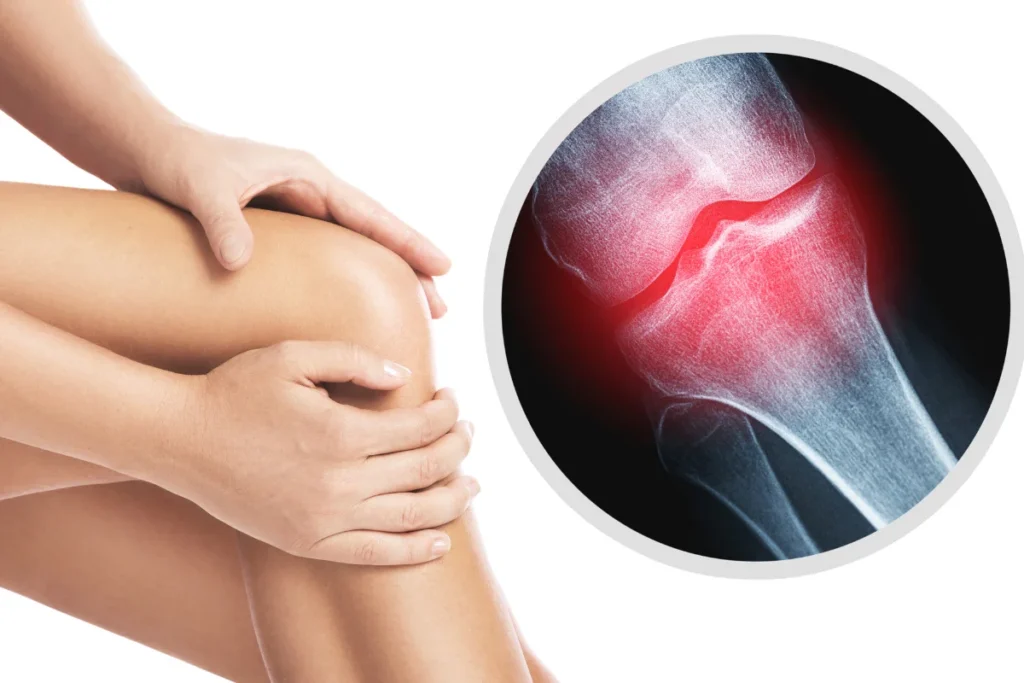
Traditional Treatments for Joint Instability
Physical therapy and surgery represent common options. The therapy strengthens muscles. It improves control. Braces limit extra movement during activity. Surgery repairs and tightens injured ligaments.
These methods can greatly help. However, recovery may be slow. Surgery carries threats. It requires significant downtime. Many patients look for alternatives. So, stem cell therapy for joint instability comes in.
How Stem Cell Therapy for Joint Instability Works
This treatment uses regenerative cells. They help to repair and strengthen tissues. These cells can change into muscle and ligament cells as needed.
Concentrated stem cells are delivered into the injured region as part of the procedure. Accurate placement is guaranteed by guided imaging. Upon arrival at affected joint, the cells secrete growth factors. They hasten the healing process and lessen irritation. The formation of new tissue is activated.
Exploring the Benefits of Stem Cell Therapy for Joint Instability
There are some of the main features of the treatment.
· Targeted tissue repair. This is performed at the source of instability.
· Reduced inflammation. This provides better comfort and mobility.
· Strengthened ligaments and tendons. This effect greatly improves balance.
· Lower chance of future damage.
· Faster recovery compared to surgical repair.
These outcomes make regenerative medicine an appealing choice for people with joint instability symptoms.
Ways2Well’s Unique Approach
Joint instability treatment is developed for long-term results at Ways2Well. Our process prioritizes safety and complete recovery.
Detailed Assessment
We start with a thorough evaluation of your joint health. This includes physical exams and imaging. Movement analysis is conducted. The root cause of joint instability symptoms must be defined. This allows the creation individual treatment plan.
Injections with Ultrasound
Our medical procedures use ultrasonic guidance. It helps to deliver stem cells precisely where they are required. This significantly improves the efficacy of stem cell treatment for joint instability.
Stem Cells of High Quality
We use potent and ethically sourced stem cells. They are prepared under strict medical standards. This ensures safety and optimal healing potential.
Integrated Recovery Plan
Our care incorporates tailored rehabilitation programs. These strengthen the joint, increase mobility. They also assist in preventing future problems.
Providing Long-Term Stability
We work to rebuild joint integrity and prevent recurrence. We aim not only to treat joint instability symptoms. Our treatment restores full function and confidence in movement.
Recovery Process
Most patients start mild activities within a few days of treatment. Stem cells strive to repair and strengthen tissues over the next few weeks. Pain and edema normally subside early in recovery. Stability improves gradually as the supporting structures heal. Many patients experience reduced dislocation frequency after completing their program.
Preventing Joint Instability
The treatment offers an effective option. However, prevention remains important. Strategies include:
Strength training for muscles around the joint.
Proper warm-up before activity.
· Avoiding continuous strain.
· Using proper technique in sports and exercise.
These habits can help protect joint health long-term.
Stem Cell Therapy and Surgery – Comparing the Approaches
Tightening ligaments and reconstructing broken structures are realized by surgery. Recovery can take months. The probability of infection and incomplete restoration of function remains.
Stem cell therapy for joint instability represents a gentle procedure. It promotes natural repair. This treatment has a shorter recovery time. It avoids many surgical threats.
Why Choose Ways2Well
Advanced regenerative medicine with personalized care is combined at our clinic. We control you every step of the way from diagnosis to recovery.
Our expertise in joint instability treatment ensures precision and safety. Results last for a long period. Patients trust us for our focus on restoring function and preventing future problems.
Joint instability can limit movement. This event increases the danger of injury. You need to identify what is joint instability and its symptoms. This is the first step to recovery.
We offer cutting-edge stem cell therapy for joint instability at Ways2Well. Our approach delivers lasting results, from reducing joint instability symptoms to preventing dislocations. Our expertise will help you to move with confidence again.