
Stem cells for regeneration are opening up new therapy options in the constantly changing field of medical science. Adult stem cell therapy has become a powerful instrument in the regenerative sector. This treatment provides hope to people with different illnesses and age-related ailments. The extraordinary capacity to turn into a lot of cell kinds makes stem cells a game-changer in the pursuit of optimal health and healing. This ability has enormous prospects for repairing harmed organs and tissues. Repairing, renewing, and replacing broken tissues with the use of stem cells for regeneration can offer patients substantial benefits. This constitutes a fundamental component of this novel medicinal development. Let’s cover the function of stem cells and their applications in restorative treatments. Why are they opening up new avenues for healthcare in the future?
Discovering the Properties of Stem Cells for Regeneration
You must first understand the characteristics and nature of stem cells. Stem cells have the remarkable ability to turn into an array of unique cells throughout the body. All tissue and organ systems are composed of these cells. The secret to their therapeutic uses is provided by their capacity for regeneration.
Different kinds of stem cells exist. Because they are derived from embryos and can change into every type of cell in the body, embryonic stem cells are extra adaptable for use in regenerative therapy.
Adult stem cells may renew only bodily tissues. They are present in a lot of tissues, including bone marrow and fat. They retain an enormous opportunity for application in therapeutic interventions, however, they are not as adaptable as embryonic stem cells.
The ability of stem cells to replace and repair harmed tissues and organs constitutes one of their most interesting applications. This process presents regeneration. Stem cells for regeneration offer an unprecedented opportunity to treat severe conditions. Traditional treatments cannot manage these illnesses. These cells repair torn ligaments. They recover heart tissue. Stem cells for regeneration provide the healing of spinal cord injuries.
The Work of Stem Cells for Regeneration
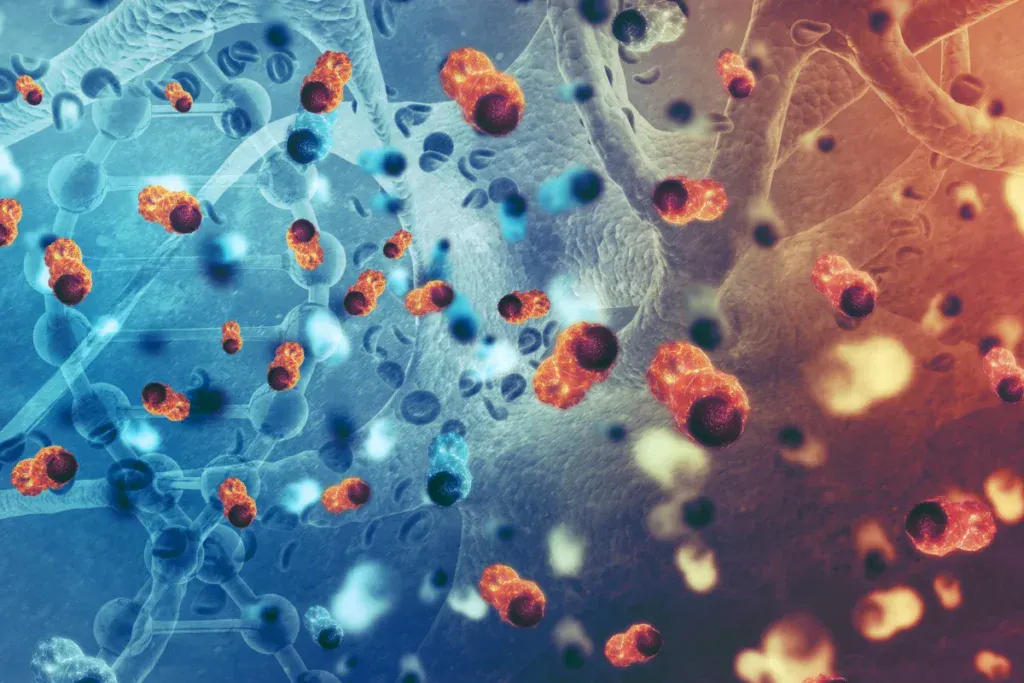
The concept of stem cells for regeneration relies on the ability of stem cells to develop into special tissue cells to activate the repairing and renewal of broken areas of the body.
Stem cells can be gathered from a patient’s own body. Then, they are cultured in a laboratory. After obtaining a sufficient number of stem cells, they can be injected into the area in need of recovery.
In some cases, stem cells can even be genetically engineered. These cells can produce special proteins and other molecules. These new elements help promote tissue renovation. After introduction into the body, these stem cells stimulate healing. They participate in replacing impaired cells. Also, these cells encourage the growth of new, healthy tissue.
The fact that stem cells not only replace damaged cells but also foster a healing environment that speeds up tissue repair is one of the main benefits of employing them for regeneration. This dual function aids in the body’s self-healing process, which is why stem cell treatments have such great promise for a variety of ailments.
Applications of Stem Cells for Regeneration
The possible uses of these cells are vast and varied. They touch nearly every organ system in the body. There are some major areas of effective application of stem cells for regeneration.
Renovation of Joints and Bones
Joint and bone injuries remain among the most common conditions treated with stem cells for regeneration. These cells retain the capacity to form new bones and cartilage. Restoring mobility and reducing unpleasant sensations tend to be two benefits of stem cell therapy.
Stem cell therapy can help people with osteoarthritis recover worn cartilage. The inflammatory and pain processes are lowered by this medication. Patients can regain lost functions by using stem cells to redevelop broken tissue. This treatment allows the patients to avoid surgeries and long-lasting take of pain medications.
Renewal of the Heart System
One of the main contributors to death in the world continues to be heart disease. It is hard to restore broken heart cells with standard therapies. Regenerative stem cells, however, have the power to alter this. Research indicates the possibility of using stem cells for the healing of heart tissue after heart attacks and ongoing cardiac conditions.
Stem cells for heart regeneration can be put into the heart following a heart attack. These injections aid in the restoration of injured muscle tissue. The heart’s ability to pump blood effectively is improved. The long-term effects of heart disease are lowered. In some cases, stem cell therapy may even be able to prevent the need for heart transplants. It recreates enough healthy tissue for sufficient cardiac function.
Healing of Injury of Spinal Cord
Among the most crippling conditions are spinal cord injuries. They frequently result in permanent impairment and paralysis. People with spinal cord damage have little hope for years. However, stem cells offer a powerful solution. Stem cells for regeneration can greatly assist in repairing spinal cord injuries. They can renew nervous tissue and promote healing in the broken area. According to research and clinical tests, scientists have discovered the capacity of stem cells to recreate nerve fibers. New neurons can grow more easily, thanks to these cells. In patients with spinal cord injuries, these motions aid in the restoration of mobility and feeling. The study is still in its infancy. But thus far, the outcomes have been positive. One day, stem cell treatments might be a standard component of care for spinal cord injuries.
Advancement of Skin Health
In the event a burn or scar covers a considerable portion of the body, healing may be challenging. Conventional therapies may cause persistent scarring. They can be painful for the patients. However, the treatment of skin injuries can be significantly altered by using stem cells. They activate faster healing and create new skin cells.
Burn sufferers can have fresh skin cells grown in a lab using stem cells from their own skin. Grafting these cells onto the patient’s burn injuries is a possible next step. They speed up the healing process and lower the danger of complications. This method can also help decrease scarring. It leads to better cosmetic outcomes for patients.
Renovation of Hair
The problem of hair loss is widespread in elderly adults and people with alopecia. Historically, the only options for treating hair loss have been drugs and hair transplant procedures. In contrast, stem cells for regeneration present a viable substitute for reviving hair growth.
In regions of hair loss, stem cell therapy activates the creation of new hair. It recreates hair follicles. Activating the stem cells in the scalp facilitates hair to be grown again without complex procedures. Stem cell therapy can become a hopeful solution for people to avoid surgery.
The Outcomes of Stem Cells for Regeneration Use
The benefits of these cells have become clear. Stem cell therapies offer many advantages compared with traditional medical treatments. These novel treatments do not require surgery. They propose little recovery time. These properties allow patients to return to their normal activities more quickly. Stem cells activate native healing because they stimulate the body’s own regenerative processes. These cells reduce the need for artificial implants and grafts.
Traditional treatments may only offer temporary relief. However, stem cell therapy can provide long-lasting and permanent results. This treatment acts at the cellular level. Stem cell treatments can be tailored to each patient’s specific needs. This property makes them highly effective for a lot of conditions.
The Prospects for Healing and Health
One of the most exciting advancements in contemporary medicine includes the use of stem cells for regeneration. Stem cell therapies will probably become a mainstay of care for an array of medical disorders. The possible uses of stem cells for regeneration remain nearly limitless. They range from bone and joint restoration to heart and spinal cord cures.
Ways2Well stands at the forefront of this medical innovation. This clinic provides patients with advanced stem cell therapies. These treatments encourage healing and health recovery. Stem cells for regeneration could be the answer to a better, healthier future.