
Chronic pain touches nearly a quarter of American adults. According to a 2024 report from the Centers for Disease Control and Prevention, 24.3% of U.S. adults experienced chronic pain in 2023, and 8.5% lived with high-impact chronic pain that limited daily work and activity (CDC NCHS Data Brief No. 518, 2024). Despite those numbers, surgery is not the right answer for most people living with persistent pain – and a growing body of research confirms that treating chronic pain without surgery can produce meaningful, lasting results.
From targeted physical therapy and cognitive behavioral approaches to emerging regenerative therapies, the options for non-surgical pain management have expanded dramatically over the past decade. This guide walks through the most evidence-supported choices, explains what is chronic pain syndrome and how it develops, and outlines a practical framework for how to deal with chronic pain in a way that addresses its root causes – not just its symptoms.
What Is Chronic Pain Syndrome?
Understanding what is chronic pain syndrome is the first step toward finding effective solutions. Acute pain is a normal, protective biological response – it signals tissue damage and typically resolves as healing occurs. Chronic pain is different. It is generally defined as pain that persists for three months or longer beyond the expected recovery period, and it may continue even after an original injury has healed or arise without a clear identifiable cause.
Chronic pain encompasses a wide spectrum:
- Musculoskeletal pain: Back pain, neck pain, joint pain, and pain from conditions such as osteoarthritis
- Neuropathic pain: Nerve-driven pain from sciatica, diabetic neuropathy, or postherpetic neuralgia
- Central sensitization: A state in which the nervous system becomes persistently sensitized, amplifying pain signals out of proportion to any tissue damage
- Widespread pain syndromes: Such as fibromyalgia
In 2023, chronic pain affected 24.3% of U.S. adults – a figure that rises to 36% among those aged 65 and older (CDC NCHS, 2024). The economic burden runs into hundreds of billions of dollars annually when healthcare costs and lost productivity are combined.
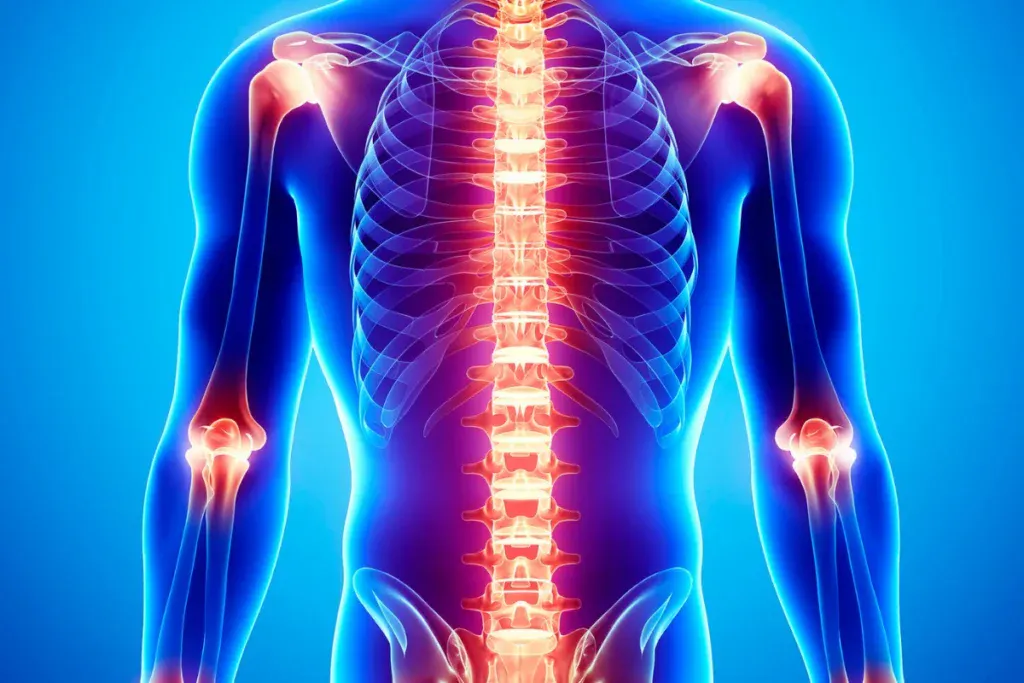
Why Treating Chronic Pain Without Surgery Works for Most People
Surgery carries real risks: anesthesia complications, infection, prolonged recovery, and – critically – the possibility that pain persists or worsens after the procedure. For many people, especially those with multifactorial or centrally mediated pain, a structural surgical fix simply does not address the mechanisms driving symptoms.
Evidence strongly supports treating chronic pain without surgery as the appropriate first-line strategy for the vast majority of conditions. A landmark systematic review by the Agency for Healthcare Research and Quality analyzed 233 randomized controlled trials and found that non-surgical, non-pharmacological interventions “most consistently improve function and/or pain” across multiple chronic pain conditions – including chronic low back pain, osteoarthritis, fibromyalgia, neck pain, and tension headache (Skelly et al., AHRQ Comparative Effectiveness Reviews, 2020).
The functional medicine perspective adds an important dimension: rather than managing symptoms in isolation, a proactive approach targets root causes – systemic inflammation, hormonal imbalances, metabolic dysfunction, movement deficits, and psychological contributors – that may be driving or amplifying persistent pain.
Evidence-Based Non-Surgical Treatments for Chronic Pain
Physical Therapy and Exercise
Physical therapy and structured exercise are among the best-studied and most consistently effective interventions for chronic pain. A 2023 network meta-analysis identified that tai chi, yoga, Pilates, motor control exercise, and core stabilization training all significantly improved chronic low back pain compared with conventional rehabilitation and no intervention (PMC, 2023). A 2024 systematic review further confirmed that exercise therapy may reduce pain intensity and disability at long-term follow-up of one to two years or more (PubMed, 2024).
Beyond back pain, exercise has shown meaningful benefits for osteoarthritis, fibromyalgia, neck pain, and neuropathic conditions. Exercise is thought to work through multiple pathways: reducing systemic inflammation, stimulating endorphin release, restoring neuromuscular coordination, and interrupting the deconditioning cycle that chronic pain tends to reinforce. A 2025 review noted that physical activity also appears to improve sleep quality, daily function, emotional regulation, and quality of life alongside pain itself (PMC, 2025).
Cognitive Behavioral Therapy (CBT)
Chronic pain is not a purely physical experience. It is shaped by how the nervous system processes and interprets pain signals – and by patterns of thought, fear, and behavior that can amplify suffering. Cognitive behavioral therapy addresses these dimensions directly: helping patients identify fear-avoidance behaviors, reduce pain catastrophizing, and build more adaptive coping strategies.
A 2023 meta-analysis found CBT superior to other therapies for improving disability, pain intensity, fear-avoidance, and self-efficacy in patients with chronic low back pain (PMC, 2023). A 2024 systematic review confirmed that CBT-based interventions are more effective than control conditions for reducing depression, anxiety, and improving quality of life in people living with chronic pain (PMC, 2024). CBT does not eliminate pain, but evidence suggests it may help individuals break the cycle of suffering and restore function.
Acupuncture
Acupuncture has accumulated one of the most rigorous bodies of evidence of any non-surgical pain intervention. A landmark individual patient data meta-analysis – drawing on data from 20,827 participants across 39 trials – found acupuncture statistically superior to both sham acupuncture and no-acupuncture control conditions for chronic back and neck pain, osteoarthritis, chronic headache, and shoulder pain. Crucially, these effects persisted at 12-month follow-up, with only approximately 15% decay in effect size over time (Vickers et al., The Journal of Pain, 2018). This level of evidence – individual patient data from nearly 21,000 participants – is rarely seen in complementary medicine research.
Acupuncture is thought to modulate pain through neuroendocrine mechanisms, stimulating endorphin release and influencing the neural networks involved in pain processing.
Mindfulness and Mind-Body Practices
Mindfulness-based interventions – including mindfulness-based stress reduction (MBSR), yoga, guided meditation, and biofeedback – offer meaningful benefits, particularly for the psychological and emotional dimensions of chronic pain. A 2023 umbrella review synthesizing 21 meta-analyses and 127 unique studies found that mindfulness-based interventions had a measurable impact on pain severity, anxiety, and depression. Effects were strongest against passive control conditions and most consistent for the psychological burden of living with pain – including fear, catastrophizing, and mood disturbance (PubMed, 2023).
A 2022 systematic review specifically found that mindfulness-based stress reduction is associated with improved physical function in chronic low back pain patients at 8 weeks and 6 months follow-up (PubMed, 2022). While effect sizes for pain intensity specifically are modest, the impact on daily functioning and emotional resilience makes mindfulness a valuable component of comprehensive pain care.
Anti-Inflammatory Nutrition and Lifestyle Modifications
Emerging evidence supports the role of diet, body weight, and lifestyle in modulating chronic pain. Diets rich in omega-3 fatty acids, polyphenols, and dietary fiber – and low in ultra-processed foods and refined sugars – are associated with lower systemic inflammation, a key driver of many chronic pain conditions. Weight management also matters: reducing mechanical load on weight-bearing joints is associated with meaningful improvements in pain and function, particularly for osteoarthritis.
Sleep quality and stress management round out the lifestyle picture. Poor sleep is both a cause and consequence of chronic pain; addressing sleep as part of a comprehensive plan may yield improvements that extend well beyond pain intensity alone.
Regenerative Medicine – Advanced Options for Chronic Pain
For people who have not achieved adequate relief through conventional non-surgical approaches, regenerative medicine represents a meaningful next step. These therapies aim not just to manage symptoms but to support actual tissue repair and biological restoration – a significant distinction from traditional pain management.
Platelet-Rich Plasma (PRP) Therapy
PRP therapy involves concentrating growth factors and bioactive proteins from a patient’s own blood and injecting them into the area of pain or injury. A 2025 systematic review and meta-analysis of 56 randomized controlled trials – involving 7,142 patients – found that PRP is associated with statistically significant pain reduction compared with both active drug treatments and placebo at follow-up periods of three months or longer. Leukocyte-poor PRP formulations demonstrated particularly strong results for mild-to-moderate knee osteoarthritis compared with hyaluronic acid and corticosteroid injections (PubMed, 2025). Evidence also supports PRP for tendinopathies and select spinal pain conditions.


Stem Cell Therapy
Stem cell therapy using mesenchymal stromal cells – derived from bone marrow, adipose tissue, or umbilical cord – is one of the most closely watched areas of regenerative pain research. These cells are thought to modulate local inflammation, support tissue repair, and influence the pain environment through paracrine signaling. Most clinical applications remain investigational or off-label at this time, and outcomes vary depending on the specific condition and patient characteristics. For appropriate candidates, mesenchymal stromal cell therapy may offer improvements in pain, function, and quality of life that are not achievable through conventional approaches.
Peptide Therapy
Peptide therapy represents another emerging frontier in functional pain management. Certain therapeutic peptides are being studied for their potential anti-inflammatory and tissue-repair properties, offering a targeted approach to some of the biological mechanisms that contribute to chronic pain. While clinical evidence is still developing, peptide-based strategies are increasingly integrated into personalized functional health programs as part of a comprehensive, individualized care plan.
How to Deal With Chronic Pain Day-to-Day
Learning how to deal with chronic pain effectively requires more than a single treatment – it calls for a personalized, multimodal strategy that addresses the physical, psychological, and lifestyle dimensions of persistent pain together.
Evidence consistently shows that combination approaches outperform single-modality interventions. Physical therapy paired with CBT, for example, tends to produce better outcomes than either alone. Adding acupuncture or mindfulness to a structured exercise program may further enhance pain reduction and functional improvement.
Key principles for day-to-day management include:
- Pacing: Balancing activity and rest to avoid both deconditioning and overexertion
- Sleep hygiene: Prioritizing restorative sleep as a core component of pain management
- Social connection: Isolation tends to amplify pain perception; engagement supports coping
- Ongoing monitoring: Tracking pain patterns, triggers, and treatment responses over time
- Functional diagnostics: Comprehensive blood work, hormonal assessment, and metabolic evaluation may uncover contributing factors – inflammatory markers, hormonal imbalances, nutritional deficiencies – that conventional care routinely overlooks
At Ways2Well, the approach to chronic pain is grounded in predictive, preventive, and proactive care: identifying the root causes of persistent pain and building individualized plans that go beyond symptom management.
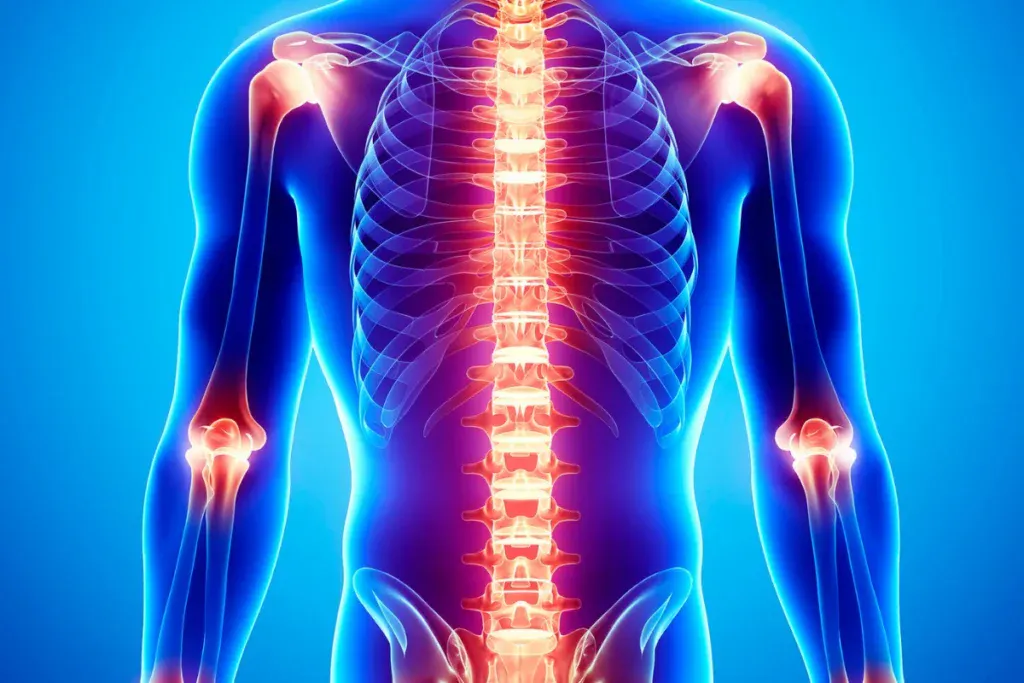
When Should You Consider Surgery?
Non-surgical approaches are appropriate first-line care for most chronic pain conditions. There are, however, specific situations in which surgery may be necessary and should be evaluated promptly:
- Cauda equina syndrome: Loss of bladder or bowel control accompanied by back pain – this is a neurological emergency
- Progressive neurological deficits: Worsening weakness or numbness that does not respond to conservative care
- Structural pathology: Confirmed fractures, tumors, or severe anatomical deformities causing refractory pain
- Failed conservative care: After a thorough course of multimodal non-surgical treatment without adequate functional improvement
The decision to pursue surgery should always be made in close consultation with a qualified specialist, with careful consideration of likely benefits, procedural risks, and recovery demands.
Frequently Asked Questions
What is the most effective non-surgical treatment for chronic pain?
Evidence suggests that no single intervention is universally most effective – and that combination approaches consistently outperform monotherapy. A systematic review of 233 randomized controlled trials found that exercise, multidisciplinary rehabilitation, acupuncture, CBT, and mindfulness-based practices most consistently improve both pain and function across multiple chronic pain conditions (Skelly et al., AHRQ, 2020). The optimal plan depends on the underlying pain mechanism and individual health profile.
What is chronic pain syndrome and how is it diagnosed?
Chronic pain syndrome is broadly defined as pain persisting for three months or longer, often accompanied by changes in central nervous system processing that amplify pain signals. Diagnosis typically involves a thorough history, physical examination, and targeted testing – including laboratory work, imaging where indicated, and assessment of psychological contributors. There is no single diagnostic test; it is a clinical diagnosis that may require input from multiple specialists.
Can chronic pain be treated without medication?
For many people, yes. Physical therapy, CBT, acupuncture, mindfulness, and lifestyle modifications have all demonstrated meaningful benefits for chronic pain in randomized controlled trials – without relying on pharmaceuticals. In practice, non-pharmacological and pharmacological approaches are often combined, with the goal of minimizing medication dependence over time.
Is regenerative medicine (PRP, stem cells) effective for chronic pain?
The evidence is promising. A 2025 meta-analysis of 56 RCTs found PRP associated with significant pain reduction compared with placebo and active treatments at three months or longer. Stem cell therapies show clinical potential for musculoskeletal conditions, though most applications remain investigational. These therapies are best evaluated in the context of a personalized treatment plan developed with an experienced provider.
How long does it take to see results from non-surgical treatments?
Timelines vary by treatment and individual. Physical therapy programs typically show measurable improvements over 6–12 weeks of structured intervention. Acupuncture effects have been demonstrated at 12-month follow-up. PRP may produce an initial tissue response within 4–8 weeks, with continued improvement over several months. Consistent adherence and realistic expectations are essential to any non-surgical approach.
How to deal with chronic pain day-to-day without surgery?
Effective daily management combines physical activity, pacing strategies, sleep prioritization, and mind-body practices with the guidance of a functional healthcare team. Comprehensive diagnostics – including bloodwork and hormonal evaluation – may identify contributing factors that conventional care misses. A personalized, multimodal plan tends to produce the best and most durable results.
When does chronic pain require surgery?
Surgery may be warranted for specific structural or emergency indications: cauda equina syndrome, progressive neurological deficits, confirmed structural pathology, or failure of a thorough course of multimodal conservative care. For the majority of chronic pain conditions, surgery is not appropriate as a first-line approach and may not improve outcomes compared with well-designed non-surgical management.
Key Takeaways
- Treating chronic pain without surgery is supported by an extensive body of evidence across multiple non-invasive approaches
- What is chronic pain syndrome: pain persisting beyond three months, affecting 24.3% of U.S. adults as of 2023, with prevalence rising to 36% among those aged 65 and older
- First-line non-surgical options – physical therapy, CBT, acupuncture, mindfulness, and lifestyle modification – are all backed by systematic reviews and randomized controlled trials
- Regenerative medicine (PRP, stem cell therapy, peptide therapy) represents a growing category with promising evidence for musculoskeletal and spinal conditions
- Learning how to deal with chronic pain most effectively means building a personalized, multimodal plan – not relying on any single intervention
- Surgery is appropriate only for specific structural or emergency indications, not as a default for most chronic pain presentations
- Functional diagnostics and root-cause evaluation may uncover drivers of chronic pain that symptom-focused care misses
Ready to Take the Next Step?
If you are exploring personalized, evidence-based, non-surgical options for chronic pain, schedule a consultation with Ways2Well and discover a proactive approach to reclaiming your quality of life – one rooted in science, not guesswork.
References
- Clarke TC, Nahin RL, et al. “Chronic Pain and High-impact Chronic Pain in U.S. Adults, 2023.” CDC NCHS Data Briefs, No. 518. November 2024. Link
- Skelly AC, Chou R, Dettori JR, et al. “Noninvasive Nonpharmacological Treatment for Chronic Pain: A Systematic Review Update.” AHRQ Comparative Effectiveness Reviews, 2020; Report No. 20-EHC009. Link
- “Long-term effectiveness of non-surgical interventions for chronic low back pain: a systematic review and meta-analysis.” PubMed, 2024. Link
- “Exercise treatments for chronic low back pain: a network meta-analysis.” PMC, 2023. Link
- “An update on non-pharmacological interventions for pain relief.” PMC, 2025. Link
- “Efficacy of cognitive behavioral therapy for reducing pain susceptibility and increasing social engagement in patients with chronic low back pain: A systematic review and meta-analysis.” PMC, 2023. Link
- “A systematic review of cognitive behavioral therapy-based interventions for comorbid chronic pain and clinically relevant psychological distress.” PMC, 2024. Link
- Vickers AJ, Vertosick EA, Lewith G, et al. “Acupuncture for Chronic Pain: Update of an Individual Patient Data Meta-Analysis.” The Journal of Pain, 2018; 19(5):455–474. Link
- “Platelet-Rich Plasma for Treating Chronic Noncancer Pain: A Systematic Review and Meta-analysis of Randomized Controlled Trials.” PubMed, 2025. PMID: 40445566. Link
- “A synthesis of meta-analyses of mindfulness-based interventions in pain.” PubMed, 2023. PMID: 37578535. Link
- “The effectiveness of mindfulness-based stress reduction intervention on physical function in individuals with chronic low back pain: Systematic review and meta-analysis of RCTs.” PubMed, 2022. PMID: 35779457. Link
Author: Ways2Well Editorial Team
Reviewed by: Scientific Advisory Board member