
Inflammation and pain in the joints impact countless individuals over the globe. It makes it difficult for them to move around and diminishes their overall well-being. Joint problems from different factors – old age, trauma, or arthritis – can be extremely disabling. They cause a considerable reduction in everyday functioning. Stem cell therapy offers a new and growing alternative to the old standard of care with medicine, physical therapy, and surgery. There has been a lot of buzz about stem cells and joint repair’s regenerative potential. This possess a simple way to alleviate joint discomfort and speed recovery.
Let’s explore the connection between stem cells and joint pain. The numerous benefits this innovative treatment offers in supporting joint health and mobility will be described here.
Understanding Joint Pain and Damage
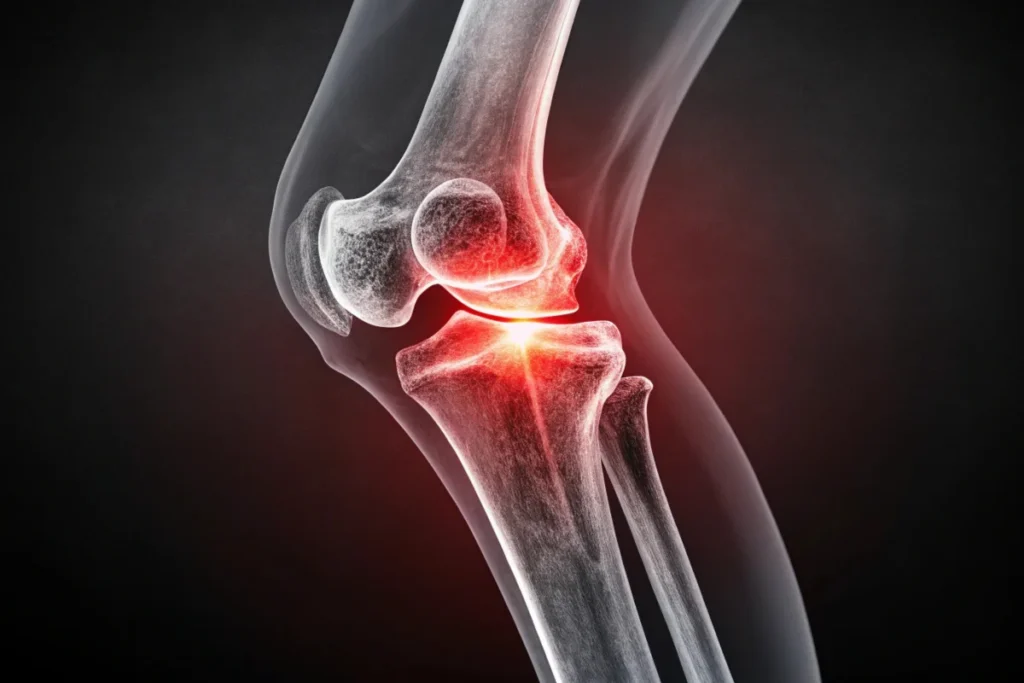
Joint pain can result from trauma and different complex conditions. The joint is composed of cartilage and tendons. Ligaments and muscles are here, too. All of them work together to facilitate smooth and pain-free movement. In the event any of these structures become damaged, it can lead to pain and inflammation, together with stiffness and reduced mobility.
The deterioration of cartilage constitutes one of the most common causes of joint pain. This smooth tissue covers the ends of bones in a joint. Cartilage damage can occur from injury and underlying health conditions. The broken cartilage causes bones to rub against each other. This leads to inflammation and pain. A loss of joint function can occur in some cases. This condition becomes common in weight-bearing joints – the knees, hips, and spine.
There are many treatments to provide temporary relief – corticosteroid injections, pain relievers, and physical therapy. However, they often fail to address the main causes of joint damage. This is where stem cells and joint repair therapies come in.
Stem Cells and Joint Repair Options
Stem cells feature their ability to regenerate and repair damaged tissues in the body. These special cells can develop into a wide array of cell kinds – in cartilage, bone, and other tissues. This regenerative property makes them a unique treatment option for joint repair and mobility.
Stem cell therapy for joint repair begins with harvesting stem cells from the patient’s own body – autologous stem cells, or from a donor – allogeneic stem cells. After that, the afflicted joint is injected with them. There, these stem cells lessen inflammatory processes and encourage the renewal of tissue.
Stem Cells and Joint Repair and Mobility
Rebuilding of Cartilage and Soft Tissues
Cartilage does not renew naturally in the body. Damaged tissue does not heal on its own. Stem cells and joint repair therapies can help fill in damaged areas of cartilage. These cells stimulate the growth of new cartilage cells. These newly generated cells work to restore the joint’s structure and function. At the same time, they lower pain and improve mobility.
Stem cells can also repair other soft tissues in the joint – ligaments and tendons. These structures maintain joint stability and movement. So, repairing any damage to them can significantly enhance the function of the joint.
Reduction of Inflammation
Inflammatory events become a main contributor to joint pain and stiffness in osteoarthritis. Stem cells and joint pain are closely related. Stem cells have a great capacity to respond to inflammatory events. The stem cell injections produce cytokines and growth factors. These small components help regulate the immune response.
Addressing inflammation at the source with stem cell therapy provides long-lasting relief. This action prevents further damage to the joint.
Pain Relief
Ongoing joint pain often stems from damage to cartilage and soft tissues. This results in activating ongoing inflammatory processes and discomfort. Stem cells and joint pain are intricately linked because stem cells can manage the causes of the pain. The promotion of the regeneration of broken tissues and lowering irritation with stem cells help relieve pain at its source. This can result in significant improvements in pain management. As a result, the need for long-term reliance on pain medications is decreased.
Improved Joint Function and Mobility
Stem cell therapy not only targets the pain from joint damage. It also enhances the overall functionality of the joint. The renewal of cartilage and other tissues restore proper joint alignment and reduce stiffness. This leads to improved possibilities for motion and overall joint function. Movements become freer and more comfortable.
Stem cells can slow and stop the development of the disease for people with severe conditions. This action preserves joint function for the long term. This seems to be very beneficial for individuals to avoid joint replacement.
Advantages of Stem Cells and Joint Repair and Mobility
Non-Invasive Treatment
Stem cell therapy has many benefits, but its lack of invasiveness is a major plus when it comes to repairing joints. Stem cell therapy is an alternative to more invasive surgical procedures like joint replacement or arthroscopy that just requires an injection into the injured joint. Because the operation is non-invasive and requires little to no recovery time, patients can get right back to their daily lives after it. Because it does not involve surgery and its attendant dangers, lengthy recovery periods, and possible consequences, this is a very appealing alternative for many people.
Minimal Risk of Complications
Stem cells are typically gathered from the patient’s own body. So, the risk of immune rejection are complications become minimal. This makes stem cell therapy a safe and effective treatment option for joint pain and damage. In contrast, surgical treatments often come with risks of infection and blood clots.
Additionally, mesenchymal stem cell injections show a low probability of side effects. Only little discomfort after the procedure are marked by most patients.
Faster Recovery
Traditional surgeries can require weeks and even months of recovery. In contrast, stem cell therapy offers a much faster recovery time. Most patients are able to come back to light activities within a few days to a week after the procedure. Full recovery takes place over the course of a few months. This is a significant advantage for patients because they can return to work and daily life quickly.
Long-Lasting Results
Managing the root cause of joint pain and damage with stem cell therapy results for a long period. Only a brief relief is achieved with traditional pain medications and corticosteroid injections. In contrast, stem cell treatment activates the rebuilding of injured tissues. In such a manner, it provides more sustainable relief. Patients frequently see considerable enhancements in their mobility and joint function as time goes on.
No Need for Joint Replacement Surgery
This operation seems to be the only solution for patients with advanced joint damage. Stem cell therapy spares patients the dangers and lengthy recuperation periods of surgery. Cartilage and soft tissue recreation aids in the preservation of joint function. This action delays the need for surgical interventions.
Stem Cells and Joint Repair – Discovering What to Expect
Stem cells and joint repair greatly change the approach to managing joint pain and damage. Enforcement of the native regenerative abilities of the body with stem cell therapy offers a safe treatment option. The healing process is encouraged by stem cell treatment. This option also decreases pain in people with osteoarthritis and sports injuries.
Stem cell research into arthritic joints continue to develop now. However, there is no need for unpleasant surgery because this treatment provides a permanent answer to joint pain. Firstly, a meeting with a trained medical professional is needed. Learn more about this innovative treatment and its ability to improve your mobility in the long run. Stem cell therapy possesses an effective substitute for conventional methods of treating joints because of its regeneration capabilities and low complication risk. It holds the promise of a more convenient and portable future.