
Acne scars can remind the past breakouts. People need to seek methods for minimizing their appearance. Chemical peels, laser therapy, and micro-needling advance the texture of the skin. They also decrease the visibility of the scars. Recently stem cells have shown a promising new approach for addressing acne scars. Let’s explore the possible help of stem cells for acne scars.
Acne Scars and Mechanics of Their Appearance
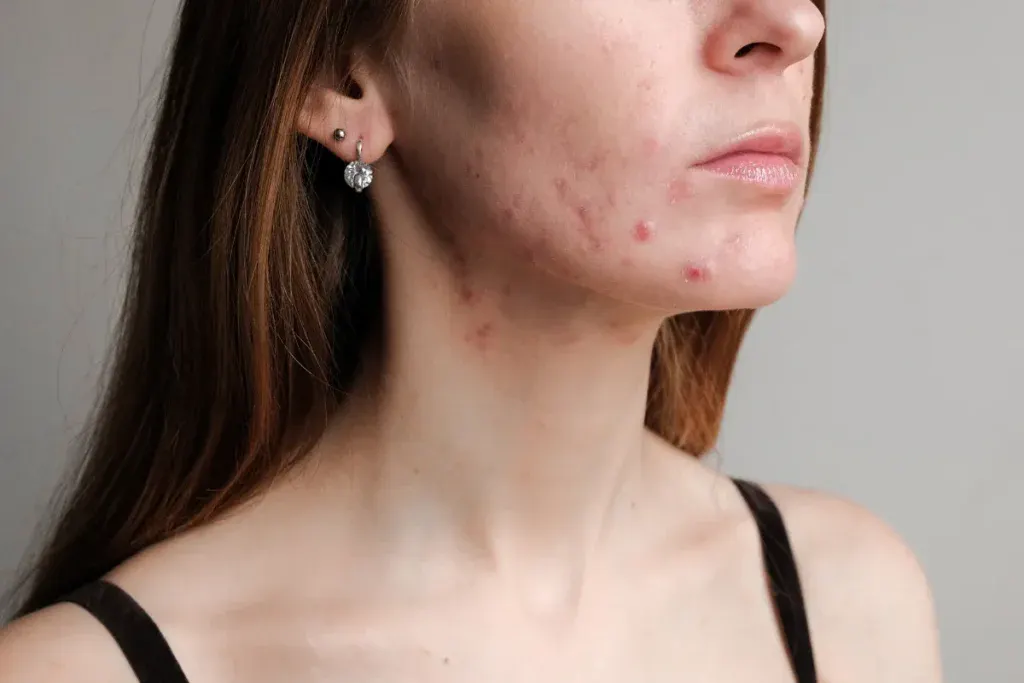
Intense inflammatory events from acne lesions harm the skin. These processes develop atrophic acne scars. The repair process can produce either an extra or a lack of new tissue. This can result in a rough texture and uneven tone on the surface of the skin. Such effects lead many people to pursue acne scar treatment for smoothing and revitalizing these scarred areas.
Human Stem Cells
These components possess the remarkable ability to convert into different types of cells. These cells greatly influence the healing processes. Their differentiation can help mend damaged tissues. This property provides valuable regenerative advantages for medical and cosmetic applications. Mesenchymal stem cells (MSCs) have demonstrated possibilities to help in skin repair and regeneration. These cells also secrete growth factors and anti-inflammatory molecules.
Discovering the Help of Stem Cells for Acne Scars
These cells primarily aid in diminishing acne scars through tissue regeneration. Promoting the creation of new skin cells with these components can also boost collagen production. This process fosters the repairing of scarred and damaged skin. Collagen gives structure and elasticity to the skin. This substance contributes to softening and filling in scar and skin tissue.
Acting Principles of Stem Cells for Acne Scars
These little components can enhance acne scars through multiple mechanisms. They boost the formation of collagen. This process aids in filling depressed areas. It also improves skin texture. Releasing anti-inflammatory molecules with stem cells for acne scars can lower redness and irritation. This action leads to a more even skin tone. Additionally, encouraging the growth of fresh, healthy ones with these cells triggers the turnover of skin cells. New cells gradually replace damaged scar tissue cells. Stem cells for acne scars release growth factors that speed up wound healing and recovery and can help reduce scarring over time.

Common Procedures with Stem Cells for Acne Scars
Different stem cell-based treatments offer the help to treat acne scars.
Injections of Stem Cells for Acne Scars
This approach collects stem cells from the organism of the patient. Fat tissue and bone marrow are used to extract these cells. After processing these fat derived stem cells are injected into areas with scars.
The stem cells for acne scars that are injected enhance collagen production and tissue regeneration, facilitating the development of new, healthy skin to help fill in sunken scars. This technique specifically addresses scarred tissue, offering localized benefits that enhance skin texture gradually. It is minimally invasive and typically involves brief recovery times for most patients.
Microneedling of Stem Cells for Acne Scars
This method combines conventional procedures with the topical application of stem cell serums or growth factors. This procedure involves creating small punctures in the skin. This helps to facilitate deeper penetration of stem cells.
The intentional skin injury by this method activates the natural healing process of the organism. Pairing with a stem cell serum boosts collagen generation and accelerates cell turnover. Together, these effects can help lower scarring and advance the general texture of the skin.
Speeding up the skin’s natural healing processes boosts the effects of the microneedling. This typically safe procedure features relatively short recovery periods and provides noticeable improvements after some sessions.
The Use of Plasma (PRP) with Stem Cells for Acne Scars
This approach entails collecting a small amount of blood from the patient. It is processed to extract PRP. Then it combines with stem cells. The resulting mixture can be injected or applied topically after microneedling.
PRP contains growth factors. These elements boost tissue repair and collagen generation. The combination of PRP with stem cells for acne scars triggers regeneration in scarred areas. This results in softer and healthier skin.
PRP features unique healing qualities. These properties make it an excellent complement to stem cells for acne scars. This minimally invasive procedure requires little downtime. It offers natural-looking results.
Fat Transfer with Stem Cells for Acne Scars
During this process, fat is extracted from the body of the patient. It is processed to enrich it with concentrated stem cells. This enriched mixture is then injected into areas with scars.
The enriched transplanted fat with stem cells for acne scars contributes to filling in depressed scars. This combination promotes the formation of collagen. It fosters the process of repair of the skin. The presence of stem cells supports tissue regeneration and a softer structure of the skin.
This method is advantageously used for deep or depressed scars. It merges the volume-restoring gains of fat grafting with the regenerative capabilities of stem cells. This method is effectively used by people with substantial tissue loss from scarring.
Exosome Therapy
This procedure utilizes small vesicles of stem cells. These rich in growth factors and protein elements are used instead of whole stem cells. These exosomes can be applied topically after microneedling. They also can be administered through injections.
Exosomes signal nearby cells to boost collagen production and enhance cell turnover. These components reduce scar depth and improve skin tone.
This non-invasive laser treatment with minimal downtime presents an excellent choice for people seeking a milder alternative to direct injections of stem cells for acne scars.
Each of these treatments provides distinct advantages. Integrating them with other scar therapies can improve general outcomes. Consulting a qualified expert will assist in identifying the most suitable strategy for each type of the skin and severity of scars.
Benefits of the Usage of Stem Cells for Acne Scars
The ability to regenerate tissue has garnered great interest in the treatments with stem cells for acne scars. These therapies provide distinct advantages over conventional methods. Let’s examine some key benefits of employing stem cells for acne scars.
Promotion of Natural Healing
Stem cells possess the capability to transform into skin cells. The release of growth factors promotes the repair of the skin. This treatment activates the formation of new collagen and skin cells. These cells help fill in and smooth out scar tissue. This action results in more natural regeneration of the skin.
Stimulation of Collagen Formation
This hormone keeps the elasticity and firmness of the skin. It helps to repair damaged areas. The treatments with stem cells advance the creation of collagen. They aid in “plumping” the skin and filling depressed scars. This process gradually results in smoother skin texture over time.
Lowered Downtime
Most treatments with stem cells for acne scars present a minimally invasive option. They typically require minimal recovery time, enabling patients to resume their daily activities more quickly.
Reduction of the Inflammatory Events
Stem cells for acne scars secrete anti-inflammatory agents. These components help diminish redness and inflammatory processes from acne scars and residual hyperpigmentation. This process promotes a more uniform skin tone and a generally healthier appearance.
Long-Lasting Results
Stem cells enhance natural skin regeneration and boost collagen production, providing treatments with generally long-lasting results. The ongoing effects of collagen synthesis may lead to increasingly visible improvements in skin texture and scar depth over time, even after the completion of treatments.
Safe and Natural Approach
The treatments with stem cells for acne scars often use the cells of the patient. So, the risk of allergic reactions or complications is minimized. This makes these treatments a safer choice for people looking to lower scars in a natural way. These treatments allow people to avoid relying on synthetic fillers or foreign substances.
Mix with Other Treatments
The treatments with stem cells for acne scars can be integrated with other therapies. Such a mix allows for improved outcomes. These combinations can advance collagen production and accelerate healing for a more effective approach to reducing scars.

Improvements in Skin Texture
The regenerative properties of stem cells advance the general state of the skin. Hydration and elasticity are improved. The skin becomes smoother and more resilient. Visible signs of aging and damage from acne scars are lessened.
Customization to Personal Needs
Treatments with stem cells for acne scars can be tailored to manage the specific type and severity of acne scars. Targeting damaged areas of the skin advances outcomes. This personalized approach makes this treatment a more efficient tool.
These treatments present an encouraging choice for people aiming to naturally and effectively rejuvenate their skin and lessen the visibility of acne scars. Outcomes can differ among people. The unique capacity of stem cells for acne scars to facilitate natural healing and promote skin regeneration highlights them as a significant option in treating acne scars. Consulting with a qualified specialist helps to determine the most appropriate approach according to their specific skin type and acne scar concerns.
Possible Limitations
Stem cells offer possible outcomes for treating acne scars. However, some considerations must be taken into account. People can experience different outcomes. Age, skin type, and the severity of their scarring influence the results. Some people can require multiple sessions to achieve the best results. This can raise costs and time commitments. Compared with traditional treatments for acne scars, stem cell therapies tend to be more costly. Involvement of sophisticated procedures and cutting-edge technology increases the cost of care. The application of stem cells for acne scars in cosmetic dermatology provides an intriguing, scientifically supported method.
Before opting for stem cell therapy, people need to conduct comprehensive research and consult with a healthcare professional to understand its possible benefits and limitations. Advancements in stem cell research continue. This regenerative approach can become a more accessible and possible option for people looking to diminish acne scars and attain smoother, healthier skin.